All my pretty ones? Did you say all? O hell-kite! All? What, all my pretty chickens and their dam at one fell swoop?
To remember this quote use the following mnemonic.
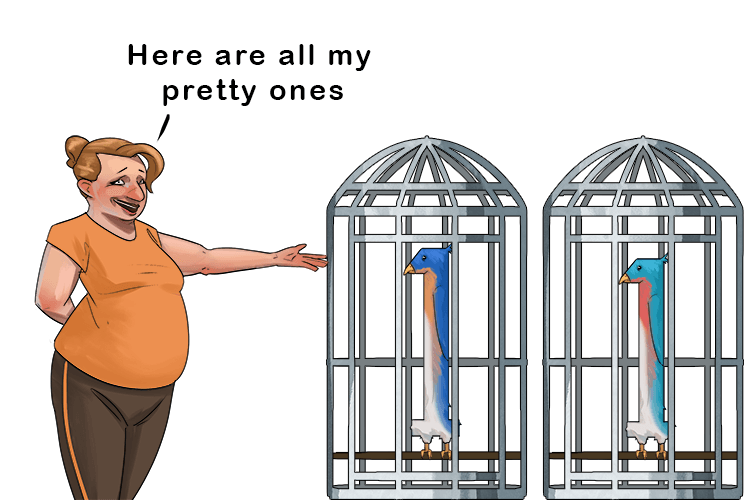
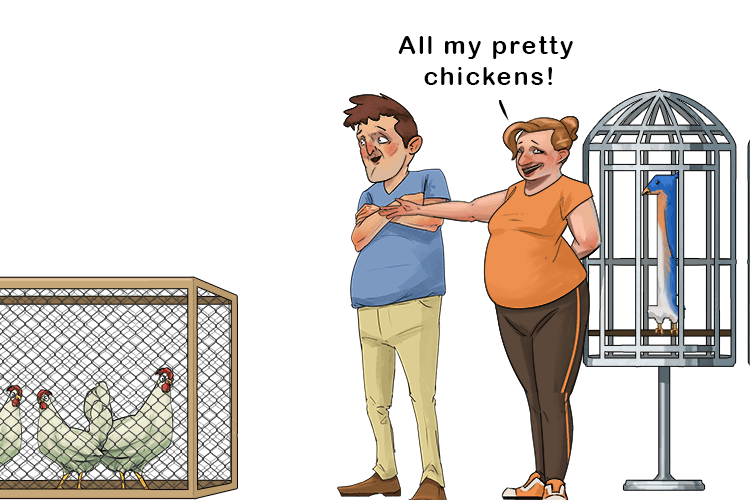
All my pretty ones...
Note: The birds are shaped like the number one.
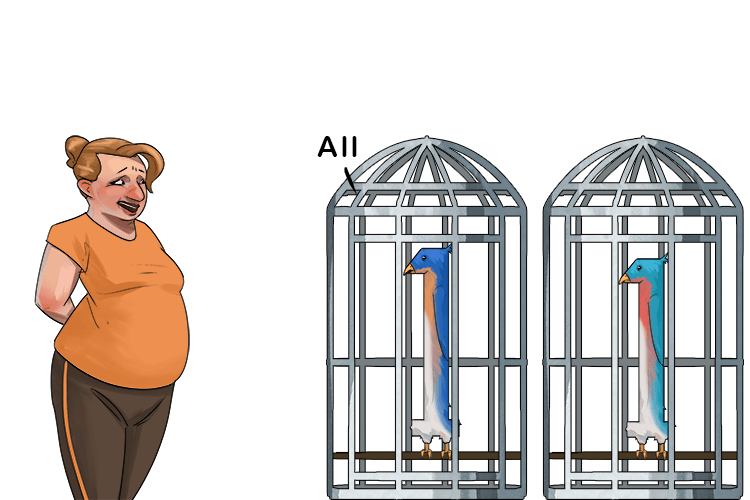
Did you say all?...
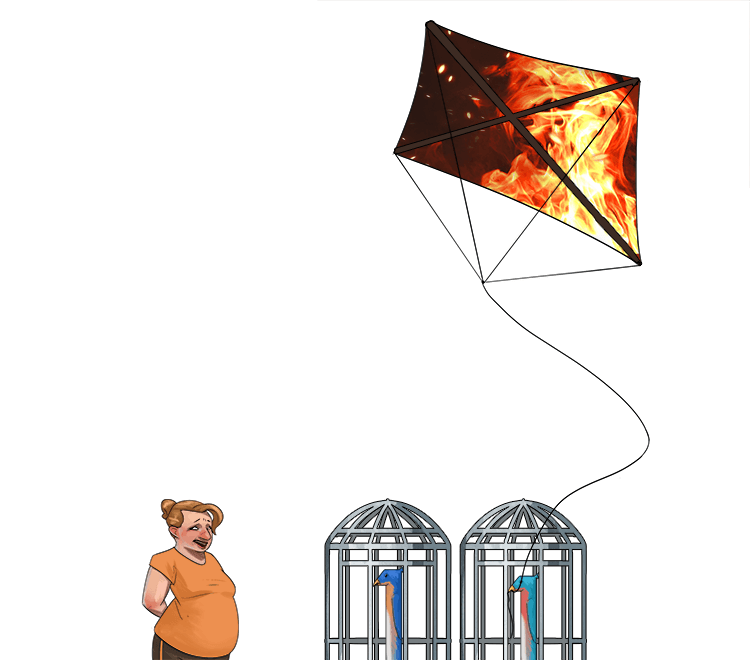
Overhead flew a hell kite.
All?
What? You have more animals?
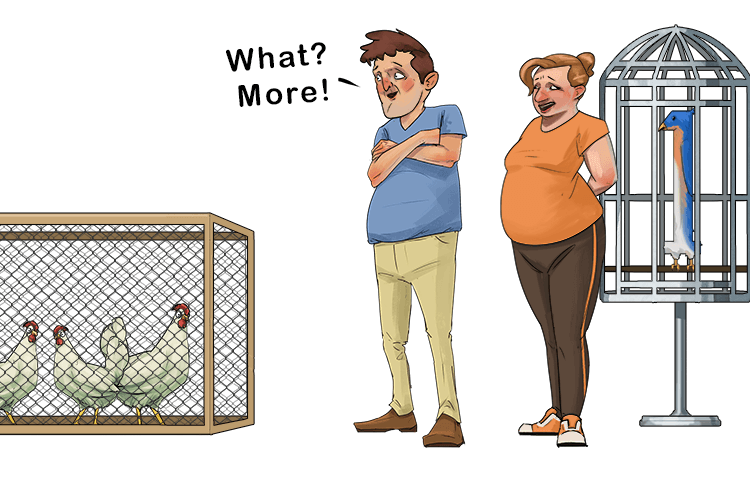
Yes! All my pretty chickens.
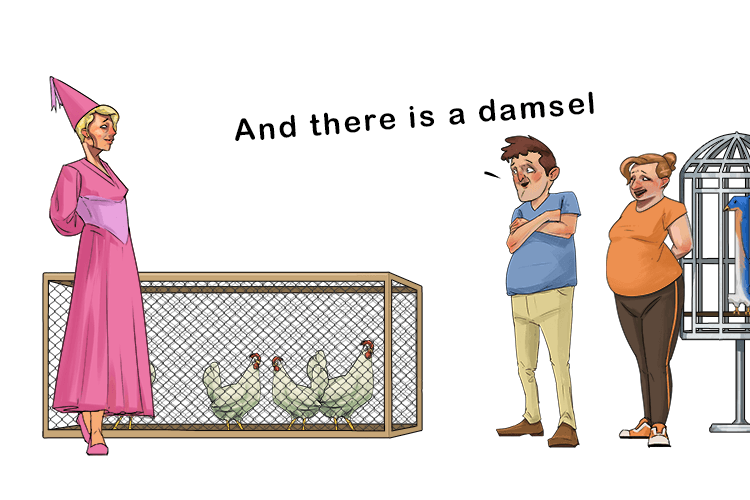
And there is a damsel.
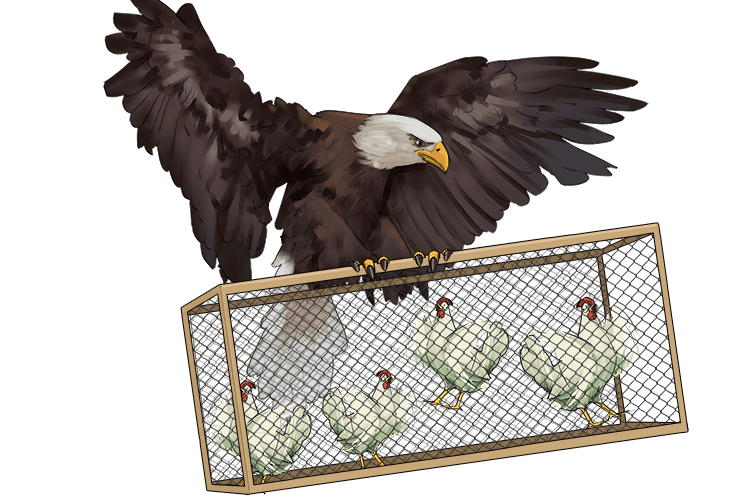
And then at one fell swoop a bird of prey took the cage away.
"All my pretty ones? Did you say all? O hell-kite! All? What , all my pretty chickens and their dam at one fell swoop?" Act 4, scene 3, line 219. Spoken by Macduff when he learns that Macbeth has murdered his entire family - his wife and children.
Meaning
- "All my pretty ones? Did you say all?" - Macduff is in shock and disbelief. He repeats the word "all" to express his grief and horror at the total loss of his loved ones.
- "O hell-kite!" - Macbeth is compared to a demonic bird of prey, a "kite" (a bird that hunts), suggests ruthlessness and evil.
- "All my pretty chickens and their dam at one fell swoop?" - "Chickens" refers to his children, "dam" refers to their mother, "at one fell swoop" refers to all at once and without warning. Macduff is imagining Macbeth swooping down like a predator killing them all mercilessly in one attack.
Exam advice
- Grief and humanity - Macduff's reaction is one of the most emotionally raw moments in the play. It shows that unlike Macbeth, he is still deeply human and capable of love and sorrow.
- Violence and Innocence - The brutality of Macbeth's actions is exposed, he has slaughtered innocent, defenceless people including children.
- Animal imagery and evil - Comparing Macbeth to a "hell-kite" paints him as a demonic creature reinforcing the idea that he has become monstrous and inhuman.
- Contrast with Macbeth - While Macbeth becomes increasingly cold and numb, Macduff's grief highlights what Macbeth has lost, his conscience and compassion.