Bleed, bleed poor country. Great tyranny, lay thou thy basis sure, for goodness dare not check thee
Note: Thou = You, Thy = Your , Thee = You
To remember this quote use the following mnemonic.
You bleed and bleed you poor country, because of a great tyrannosaurus (tyranny).
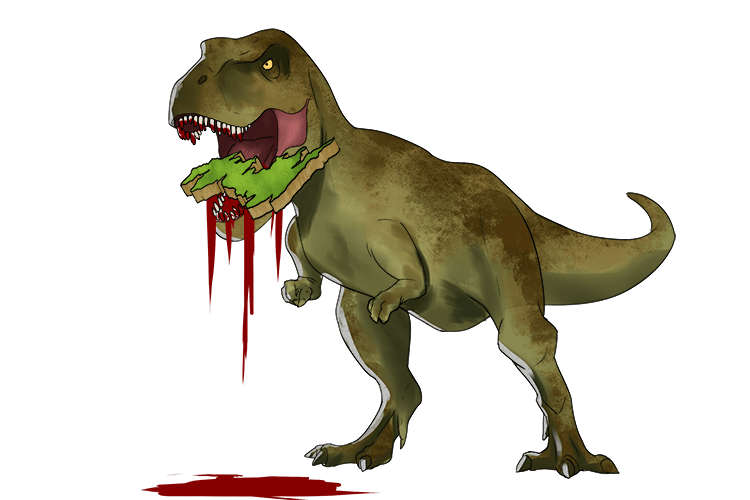
Lay down you beast,
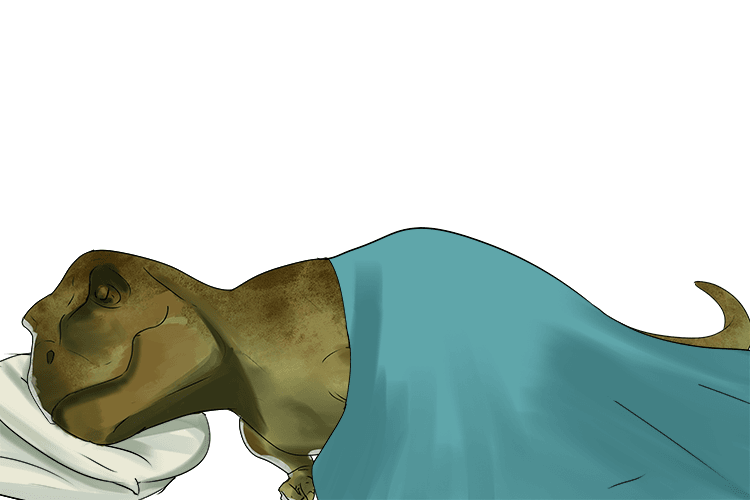
and I will put your bassists guitar down beside you.
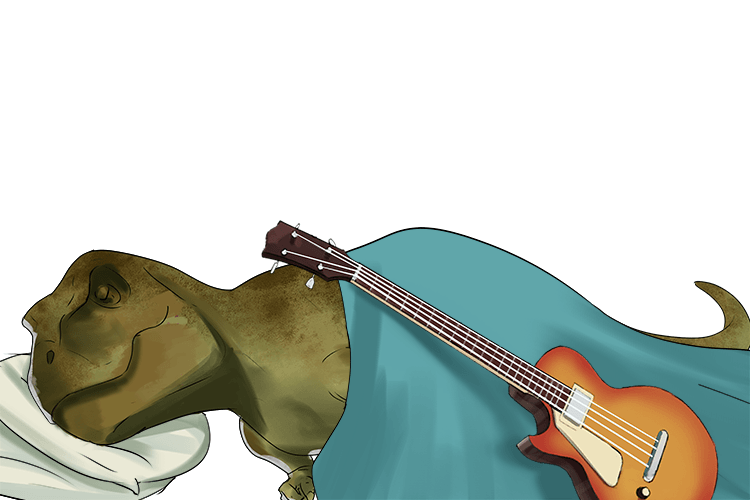
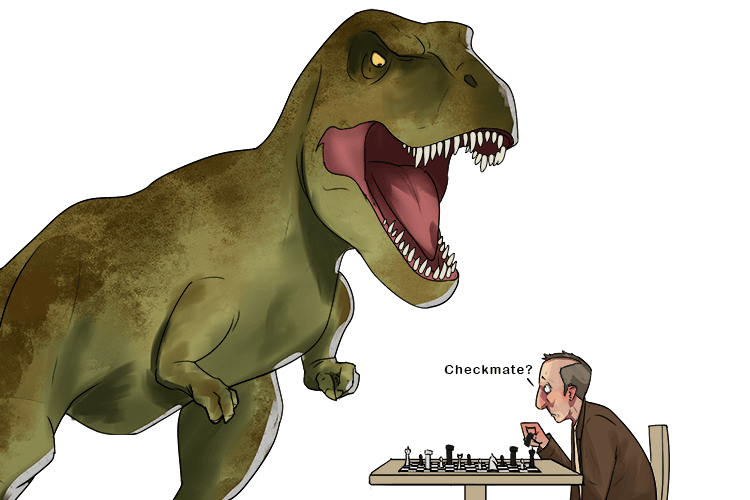
This calmed her down so we played chess.
For goodness sake I dare not checkmate you (thee).
"Bleed, bleed poor country. Great tyranny, lay thou thy basis sure, for goodness dare not check thee." Act 4, scene 3, line 31. This quote is spoken by Macduff when he is in England, speaking with Malcolm about the suffering of Scotland under Macbeth's rule.
Translation: Bleed, bleed my poor country. Terrible tyrant, you can consolidate your position because good people fear to confront you.
Meaning
- "Bleed, bleed poor country." - Macduff is mourning for Scotland, which he sees as wounded and suffering under Macbeth's tyrannical rule.
- "Great tyranny, lay thou thy basis sure, for goodness dare not check thee." - He's saying that tyranny under Macbeth's rule, allows Macbeth to feel secure because good people are too afraid to challenge it.
- In other words, Scotland is bleeding and evil is thriving because virtue is powerless or silent in the face of fear.
Exam advice
- Theme of tyranny versus goodness - Shakespeare is showing how evil leadership can take hold when good people are unable to resist it.
- Personification of Scotland - Macduff treats his country as a bleeding wounded body, linking to the theme of political disorder and suffering.
- Macduff's patriotism - His emotional language shows his deep love for Scotland, contrasting Macbeth's selfish ambition.
- Moral commentary - This moment gives a moral weight to the play; tyranny thrives when goodness is powerless or passive.
- Foreshadowing - This speech builds tension as Macduff prepares to take action to save Scotland - especially after he learns of his family's murder.