His virtues will plead like angels, trumpet-tongu'd against the deep damnation of his taking-off
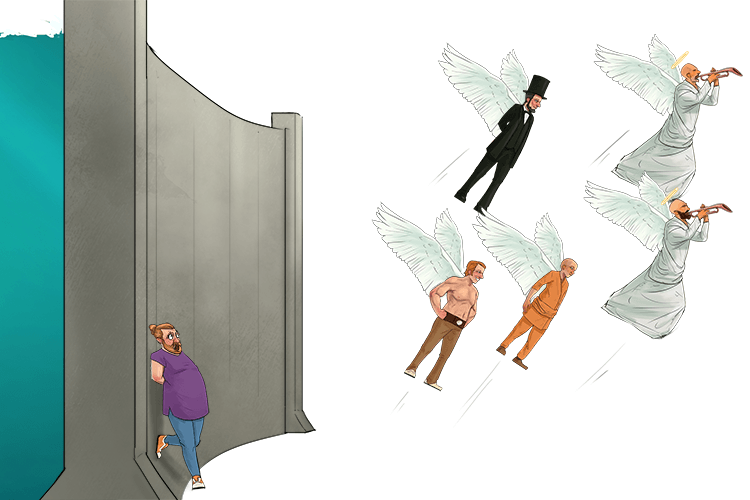
To remember this quote use the following mnemonic.
His virtues...
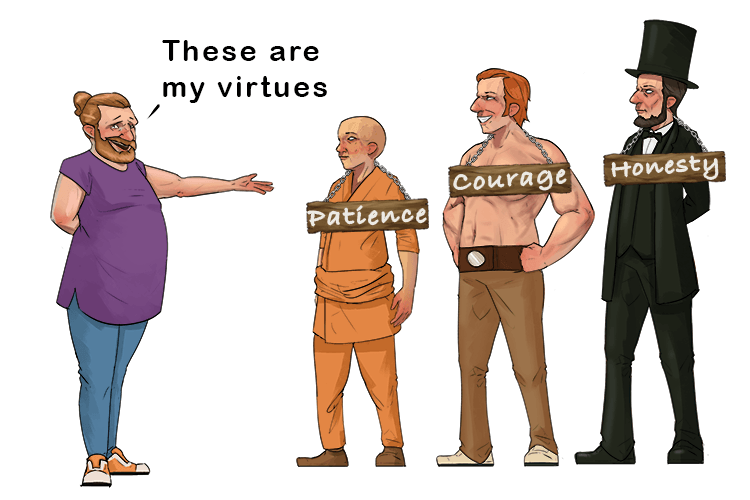
Will plead because they like...
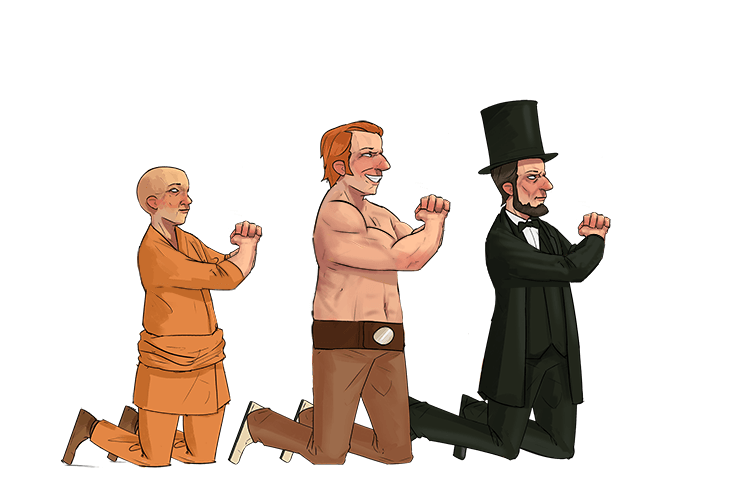
...the angels with trumpet tongues.
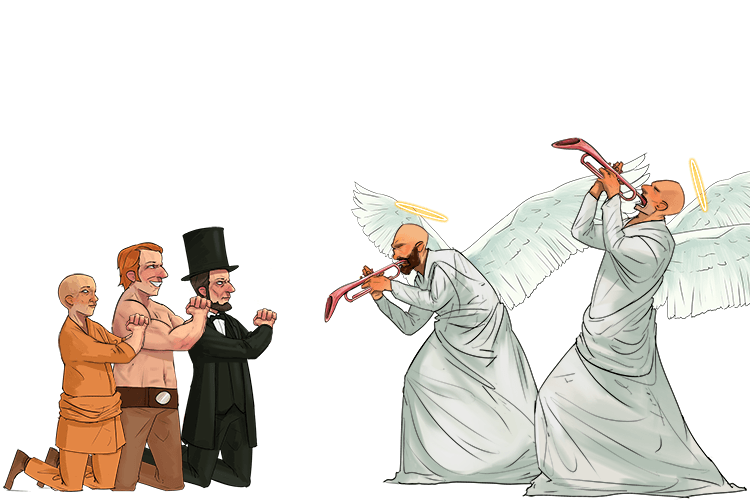
I watched all of this while leaning up against the deep dam giving water to the nation of ours.
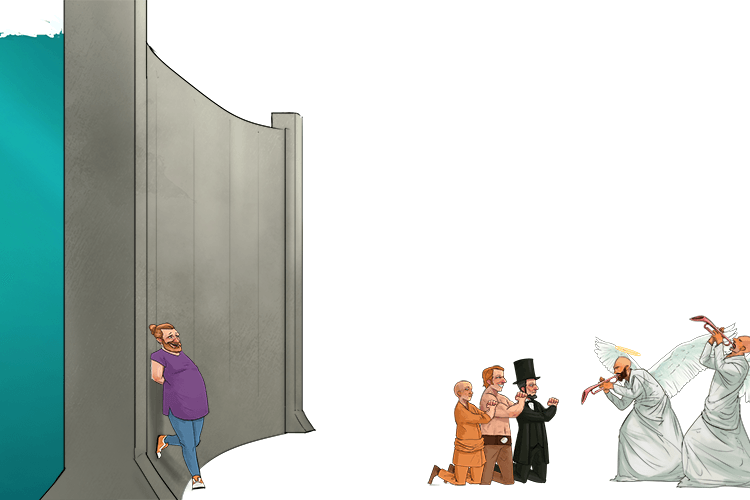
Imagine his surprise when they all started taking-off.
"His virtues will plead like angels, trumpet-tongu'd against the deep damnation of his taking off." Act 1, scene 7, line 18. Spoken by Macbeth as he debates with himself about whether or not to kill King Duncan.
Meaning
- "His virtues will plead like angels, trumpet-tongu'd against the deep damnation of his taking off." - Macbeth is saying that Duncan's goodness and innocence will cry out like angels blowing trumpets condemning the murder and calling for justice.
- "His virtues" - Duncan's good qualities (he's a kind and noble king).
- "Trumpet-tongu'd." - Loud, powerful cries, like judgement trumpets.
- "Taking-off." - a poetic way to say his murder.
- "Deep damnation." - The moral and spiritual consequences (eternal damnation) of killing such a virtuous man.
Exam Advice
- The Supernatural - The notion of angels and damnation speaks to the play's exploration of fate, free will, and the supernatural. The witches' prophecies set Macbeth on a path of destruction and how this intertwines with the theme of ambition.
- Ambition and Power - Macbeth's ambition drives him to murder, and this quotes encapsulates the conflict between his desire for power and the moral implications of his actions.