I have begun to plant thee and will labour to make thee full of growing
To remember this quote use the following mnemonic.
I have begun to plant thee...
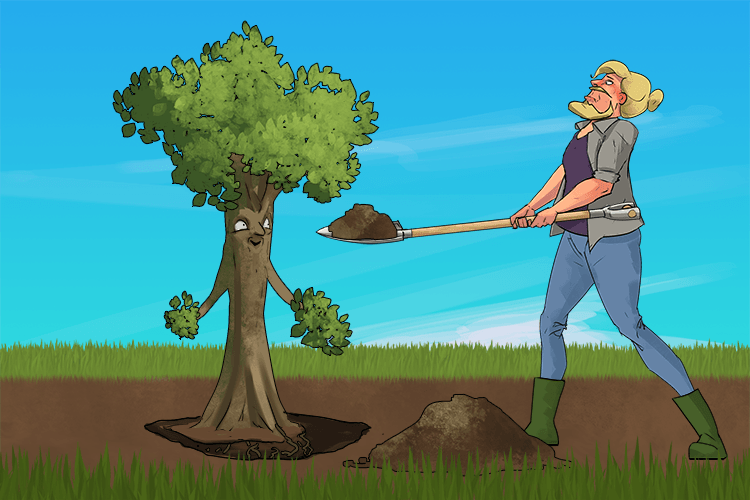
and will labour...
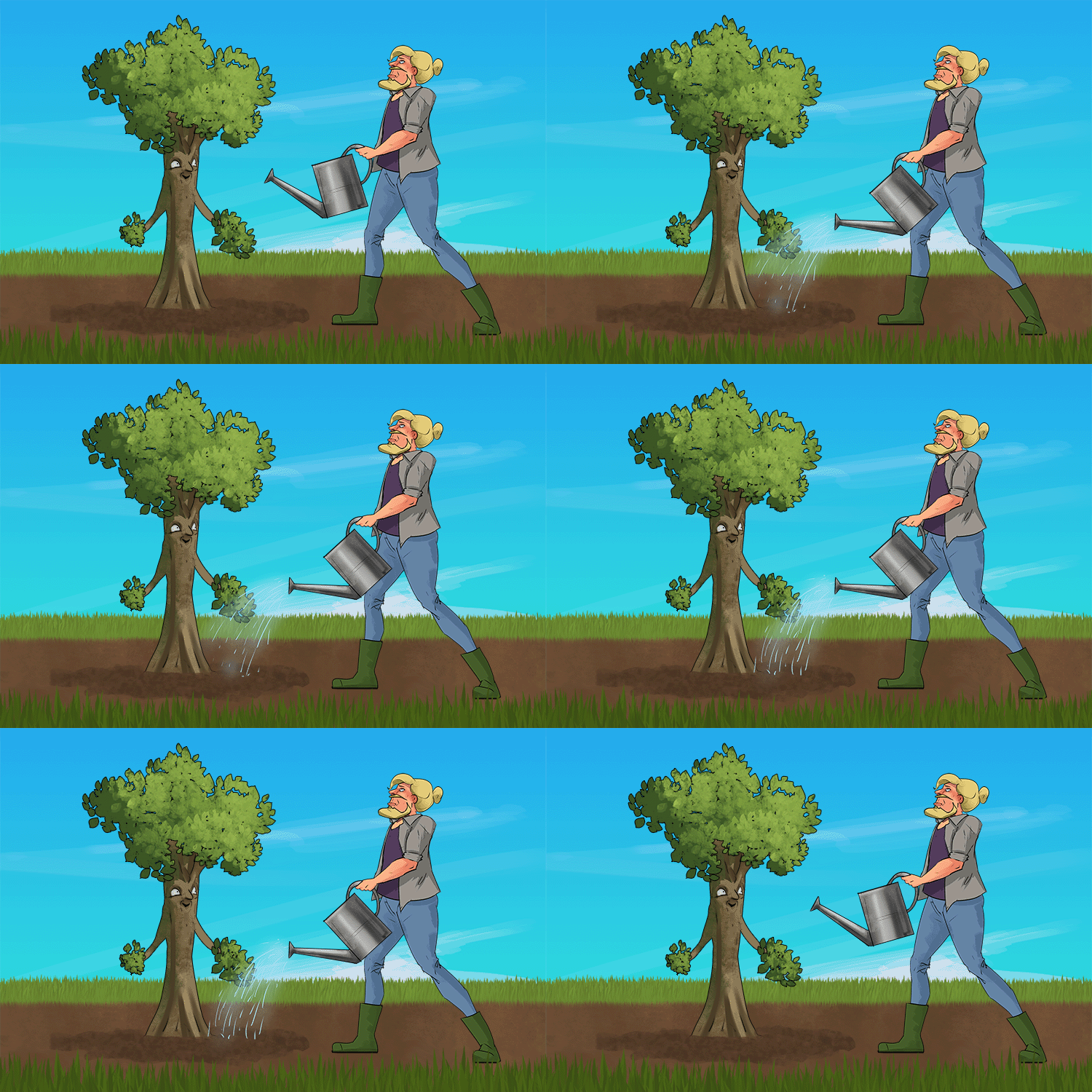
to make thee full of growing.
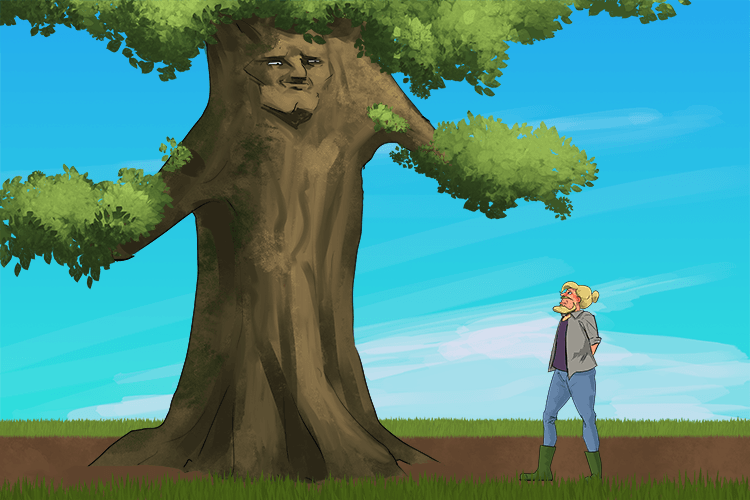
"I have begun to plant thee and will labour to make thee full of growing." Spoken by King Duncan to Macbeth after Macbeth's victory in battle, act 1, scene 4, line 28.
Meaning
- "I have begun to plant thee and will labour to make thee full of growing." - Duncan's use of "to plant thee" is a metaphor comparing Macbeth to a plant. Duncan is saying he has started to nurture Macbeth's rise by rewarding him (making him Thane of Cawdor) and promises to continue helping him grow in status and honour, like a gardener tending a plant.
- Overall interpretation - Duncan sees Macbeth as loyal and deserving of reward, and plans to support him further.
Exam advice
- Context - Duncan is praising Macbeth for his loyalty, completely unaware that Macbeth is already thinking of killing him.
- Theme of loyalty and betrayal - Duncan's trust highlights the tragedy of his fate; Macbeth betrays the man who wants to help him.
- Nature imagery - Shakespeare often uses natural imagery (planting and growing) to symbolize rightful leadership and the health of the kingdom. Here, Duncan believes he is strengthening the kingdom by promoting Macbeth.
- Dramatic irony - The audience knows Macbeth is considering murder, making Duncan's words tragically ironic.
- Kingship and duty - Duncan represents the ideal, nurturing king, compared to the destructive ruler Macbeth will become.