I would while it was smiling in my face, have plucked my nipple from its boneless gums and dashed the brains out, had I so sworn, as you have done to this
To remember this quote use the following mnemonic.
I would while it was smiling in my face,
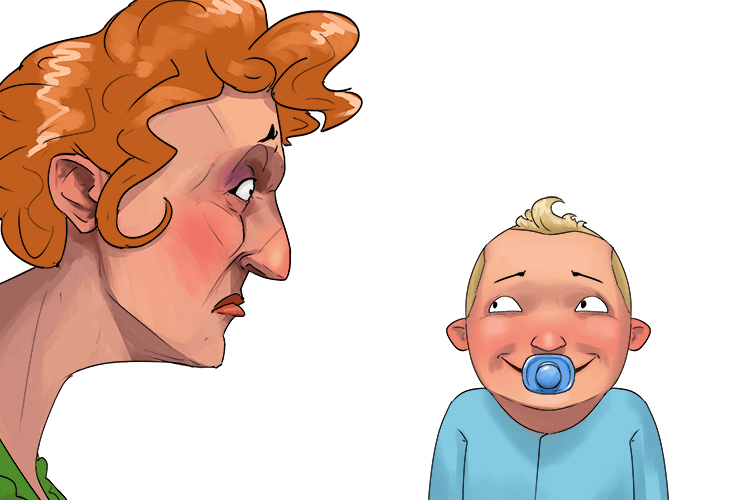
have plucked my nipple from its boneless gums

and put dashes on the brains when they were out of the store cupboard.

had I sworn.
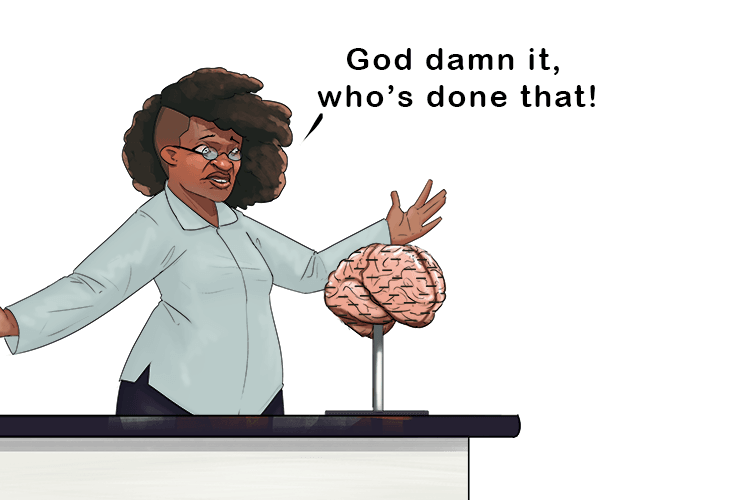
Look what you have done to this.

"I would while it was smiling in my face, have plucked my nipple from its boneless gums and dashed the brains out, had I so sworn, as you have done to this" This is one of Lady Macbeth's most shocking and powerful lines, act 1, scene 7, line 56.
Meaning
- Macbeth is having doubts about killing King Duncan. Lady Macbeth responds by questioning his courage and commitment.
- Lady Macbeth says that if she had promised to do something as seriously as Macbeth has, she would have killed her own baby - even while it was smiling at her. This horrifying image is meant to shock Macbeth into action and prove his own ruthlessness and determination.
Exam Advice
- Interpretation - Lady Macbeth uses a graphic and violent metaphor to show how far she would go to keep a promise. This is designed to guilt Macbeth into following through with their plan to murder Duncan.
- Language imagery - The image of a baby feeding at her breast being killed is deeply disturbing, it shows the complete rejection of natural maternal instincts.
- Language juxtaposition - The contrast between the baby smiling and the act of murder makes the violence even more jarring.
- Language hyperbole - It's likely exaggerated but it shows her passion and emotional manipulation.
- Themes ambition - Lady Macbeth is consumed by ambition and this line proves she's willing to do anything to achieve power.
- Themes gender and power - She subverts traditional female roles (as a nurturing mother) to gain influence, challenging expectations of femininity.
- Themes violence and morality - The line pushes the boundaries of moral decency, showing how deeply she's willing to descend into evil.
- Character development - This moment highlights Lady Macbeth's role as the dominant partner in their relationship. She shames Macbeth by comparing his hesitation to her own (imagined) strength.
- Character development - Later in the play however, this cold determination unravels, her guilt consumes her, leading to her sleepwalking and death.