If you can look into the seeds of time and say which grain will grow and which will not, speak then to me.
To remember this quote use the following mnemonic.
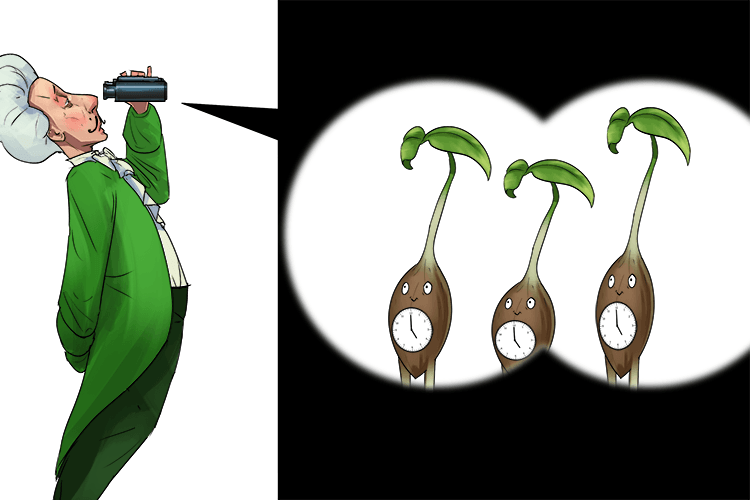
If you can look into the seeds of time.
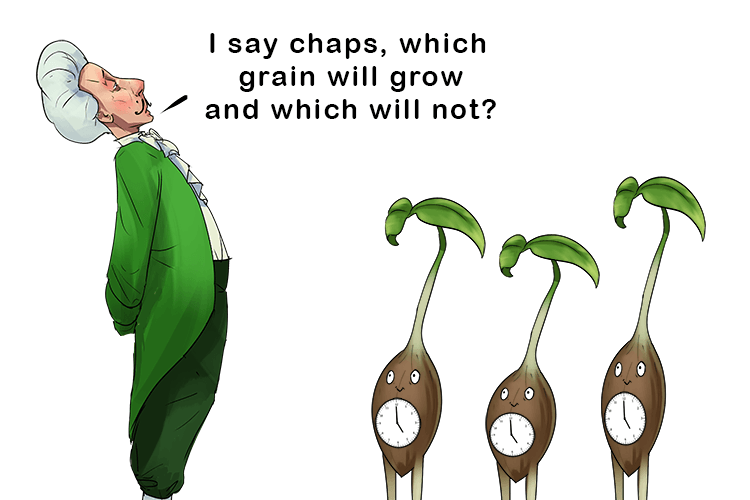
I say chaps, which grain will grow and which will not?
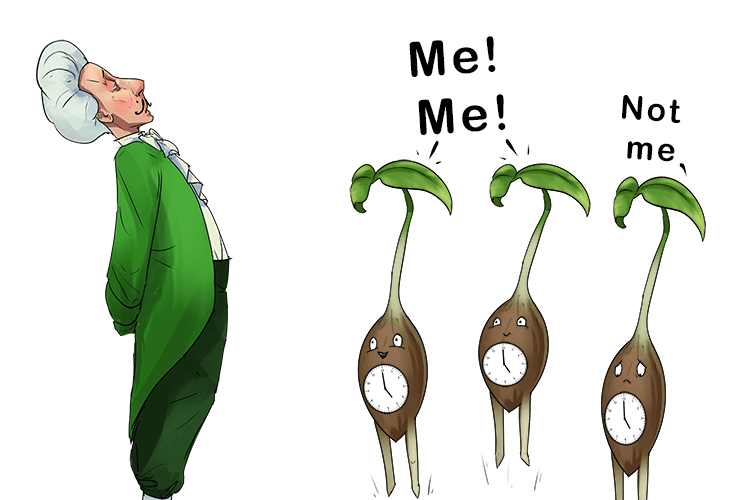
Speak then to me.
"If you can look into the seeds of time and say which grain will grow and which will not, speak then to me." Act 1, scene 3, line 56. Banquo is speaking to the witches just after they have delivered their prophecy to Macbeth. He's asking them what the future holds for him too.
Meaning
- Banquo is using a metaphor - If the witches can truly see the future ("seeds of time") and tell which possibilities ("grains") will succeed and which won't, then he wants to hear his own prophecy.
Exam advice
- Interpretation - Banquo is sceptical but curious. He's not entirely convinced the witches have power, but he's interested in what they might reveal about his future. It shows his more curious nature compared to Macbeth.
- Language, metaphor - The "seeds of time" compares the future to a field of seeds, some will grow (come true), others won't. This captures the uncertainty of fate.
- Language, imagery of growth - Suggests the future is full of potential, but unpredictable. This ties in with key ideas about destiny and choice.
- Themes of fate and free will - Banquo wonders whether the future is fixed or unknowable, unlike Macbeth. Unlike Macbeth, he doesn't act on prophecy blindly.
- Theme of ambition - While Macbeth fixates on his future, Banquo reflects more deeply on what it means.
- Theme of the supernatural - The witches are presented as mysterious beings with access to knowledge that humans aren't supposed to have.
- Character development - Banquo's thoughtful questioning contrasts with Macbeth's immediate ambition. This shows Banquo's wisdom and moral strength.