Lesser than Macbeth, and greater. Not so happy, yet much happier. Thou shalt get kings, though thou be none.
Note: "Thou shalt get kings, though thou be none"
Get = Beget (to generate a child).
In the play it is Duncan's son Malcolm who becomes king after Macbeth. Banquo's descendants DO NOT become kings in the play. Although Banquo will never be king his descendants will in fact sit on the throne but MANY YEARS LATER. The play takes place in 1040.
James I (was James VI King of Scotland) became King of England in 1603 when he succeeded Queen Elizabeth I (it was claimed he was a descendant of Banquo).
To remember this quote use the following mnemonic.
Less height than Macbeth and greater weight.
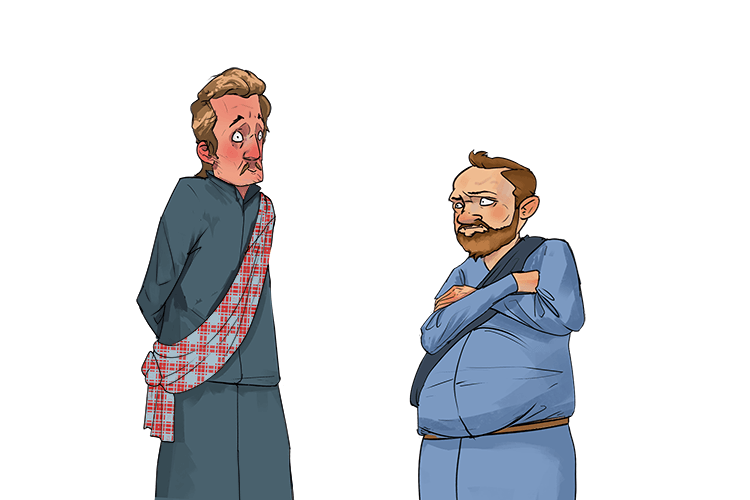
He's not so happy but the yeti (yet) is much happier.
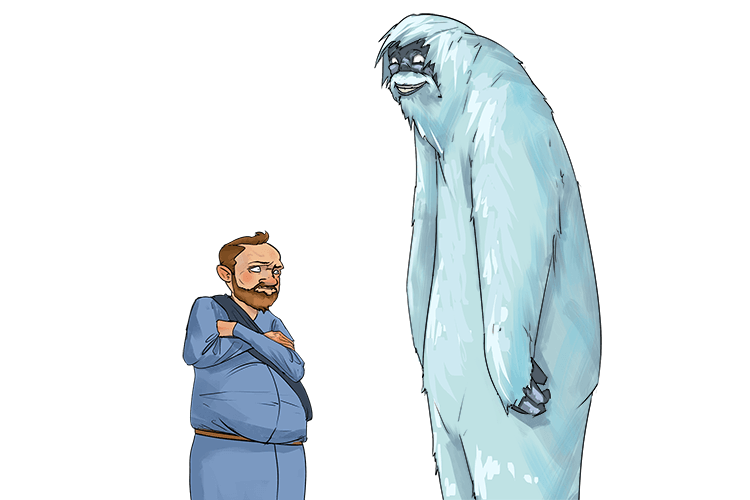
You (thou) shall get kings,
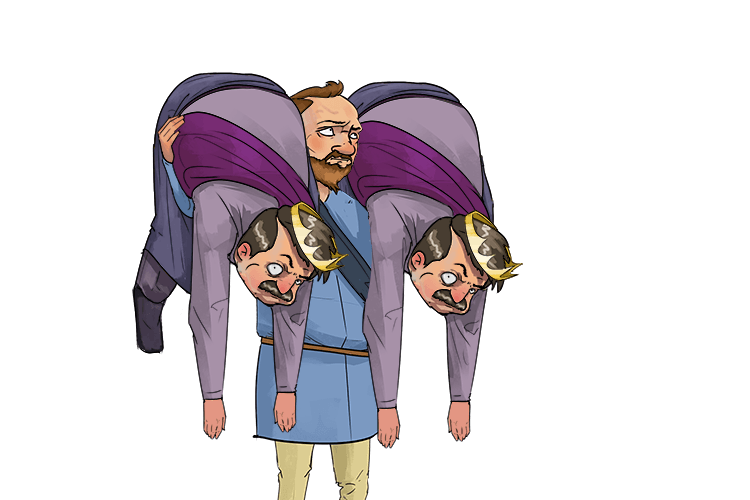
Though you (thou) will not be able to pick up nuns (none).
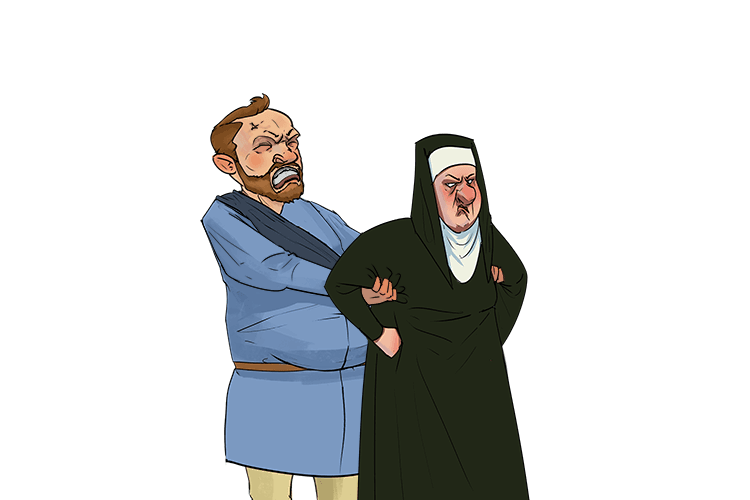
First witch "Lesser than Macbeth, and greater." Second witch "Not so happy, yet much happier." Third witch "Thou shalt get kings, though thou be none." The witches are delivering prophecies to Banquo in act 1, scene 3, line 63.
Meaning
- "Lesser than Macbeth, and greater" - Banquo won't rise as high in title or power as Macbeth, but will be greater in virtue, honour and legacy.
- "Not so happy, yet much happier" - Banquo won't be as happy in fortune or status (he won't become king), but will be happier in a deeper sense - more at peace, morally stronger, and free from Macbeth's guilt and downfall.
- "Thou shalt get kings, though thou be none" - Banquo himself won't be king but his descendants will be. This foreshadows the rise of King James I, believed to be descended from Banquo (important context for Shakespeare's audience).
Exam advice
- Interpretation - The witches use riddles to give Banquo a prophecy that's both flattering and ominous. It sets up Banquo as a foil (to contrast with someone else and thus highlight their unique qualities) to Macbeth - a character that could follow ambition but chooses not to.
- Language paradox - (paradox - seems untrue but is correct). These contradictions reflect the play's theme of appearance versus reality - things aren't what they seem.
- Language prophecy - The phrasing is deliberately vague, creating suspense and shaping the audience's expectations.
- Theme of fate and free will - Like Macbeth, Banquo is given a prophecy, but his response is very different. This shows that fate may offer a path, but choice determines the outcome.
- Themes of ambition and morality - Banquo chooses restraint, unlike Macbeth highlighting the moral consequences of ambition.
- Themes of the supernatural - The witches' cryptic style reflects their otherworldly nature and the play's eerie tone.
- Character development - This moment plants a seed of suspicion in Macbeth - Banquo is a threat because of the prophecy, which contributes to Macbeth's eventual decision to have Banquo murdered. It also shows Banquo's integrity. He doesn't act on the prophecy, unlike Macbeth.
Note: Compare Banquo's reaction to the witches with Macbeth's. Macbeth immediately starts plotting; Banquo is more cautious. This contrast is key to understanding both characters and exploring Shakespeare's message about power and morality.