Upon my head they plac'd a fruitless crown and put a barren sceptre in my gripe
To remember this quote use the following mnemonic.
Upon my head they plac'd a fruitless crown...
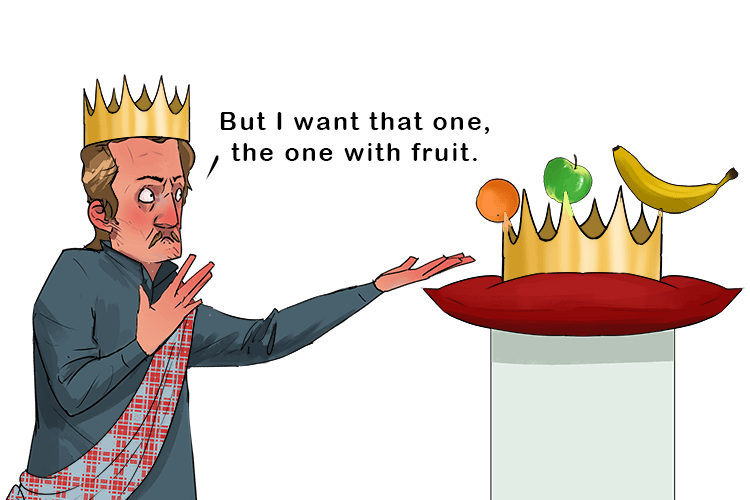
And put a sculpture of the red baron's (barren) aeroplane on my sceptre.
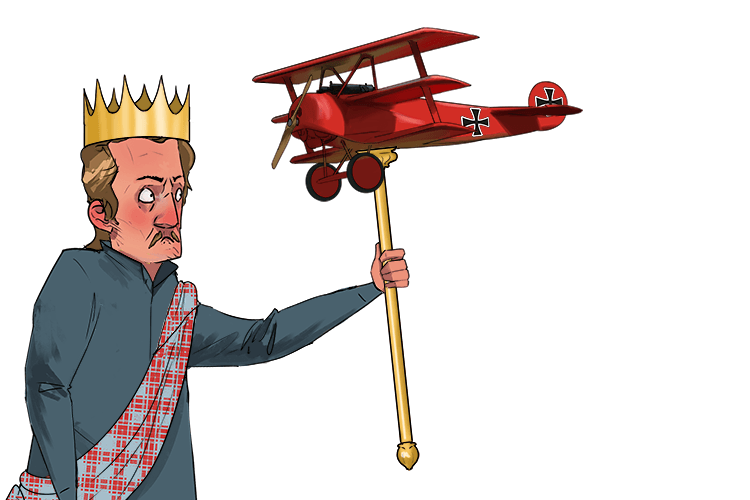
I must ensure that it is firmly in my grip e.
Note: Why there is an "e" at the end of grip, it's strange but must be noted.
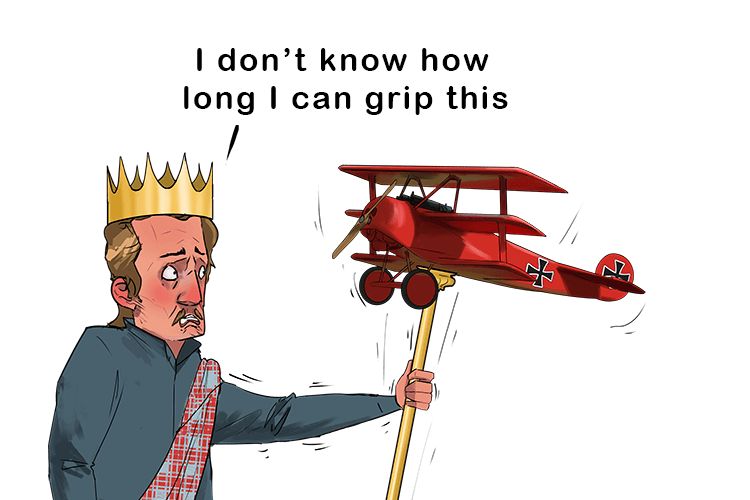
"Upon my head they plac'd a fruitless crown and put a barren sceptre in my gripe" Spoken by Macbeth as he reflects on the witches' prophecy after becoming king, act 3, scene 1, line 62.
Meaning
- "Upon my head they plac'd a fruitless crown" - Macbeth has been made king, but the crown is "fruitless" because he has no children to inherit it.
- "and put a barren sceptre in my gripe" - He holds royal power (the sceptre), but it's "barren" meaning it won't lead to a lasting dynasty.
- Overall interpretation - Macbeth is frustrated because he knows his rule is temporary. The witches predicted that Banquo's descendants, not his, will become kings.
Exam advice
- Context - Macbeth is already king, but he feels insecure and threatened by Banquo and his son Fleance. The fear leads him to plan Banquo's murder.
- Theme of Ambition and legacy - Macbeth isn't satisfied with being king - he wants a lasting legacy and feels cheated.
- Symbolism of "fruitless" and "barren" - These words show Macbeth's obsession with power and the future. He sees his reign as empty if he can't pass it on.
- Character development - Macbeth's ambition is no longer just about power - it's control over fate and legacy.
- Foreshadowing - This speech sets the stage for Macbeth's decision to kill Banquo and Fleance to try to stop the prophecy.