What's done cannot be undone
To remember this quote use the following mnemonic.
What have you done? That cannot ever be undone.
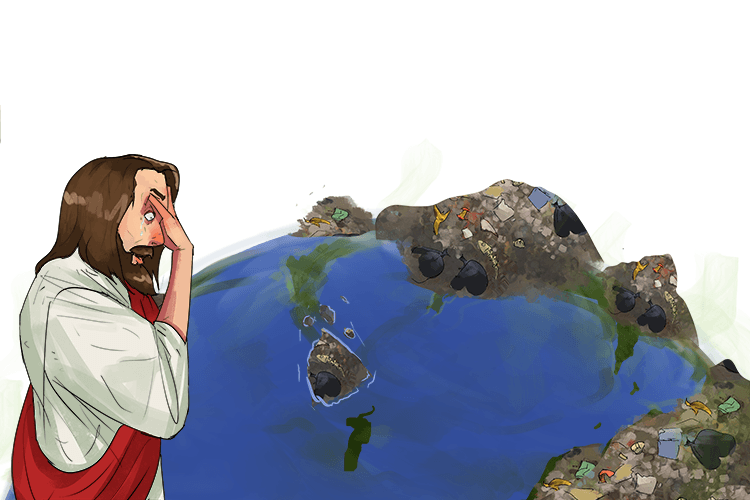
"What's done cannot be undone." Act 5, scene 1, line 59 just before Lady Macbeth exits.
Meaning
- This is spoken by Lady Macbeth during her famous sleepwalking scene. It reflects a moment of profound realization and despair. At this point in the play, Lady Macbeth is overwhelmed by guilt and madness over the crimes she and Macbeth have committed, particularly the murder of King Duncan. The phrase means that once an action has been taken it cannot be reversed or erased. In this context, it refers to the irreversible nature of their deeds - the bloodshed, betrayal, and violence they have set in motion.
Exam Advice
- Theme of Guilt and Conscience - At first Lady Macbeth was confident and ruthless, but now she is consumed by regret and cannot escape her guilt.
- Mental Breakdown - Her sleepwalking shows how the weight of her actions has destroyed her peace of mind.
- Theme of Fate and Irreversibility - The line emphasises that some actions have permanent effects and no amount of regret can undo them.
- Contrast with Earlier Attitude - Earlier in the play, Lady Macbeth was the driving force behind Macbeth's ambition, urging him to seize power without hesitation. However, by this point, she is consumed by remorse and the psychological weight of their actions. The line underscores the inevitability of consequences and the futility of trying to escape the moral and emotional fallout of their choices. It also serves as a broader commentary on the inescapable nature of guilt and the permanence of one's actions.