when you durst do it, then you were a man
Note: Durst means dare.
To remember this quote use the following mnemonic.
When you dare do it, we'll do it!

Then you'll be a man.
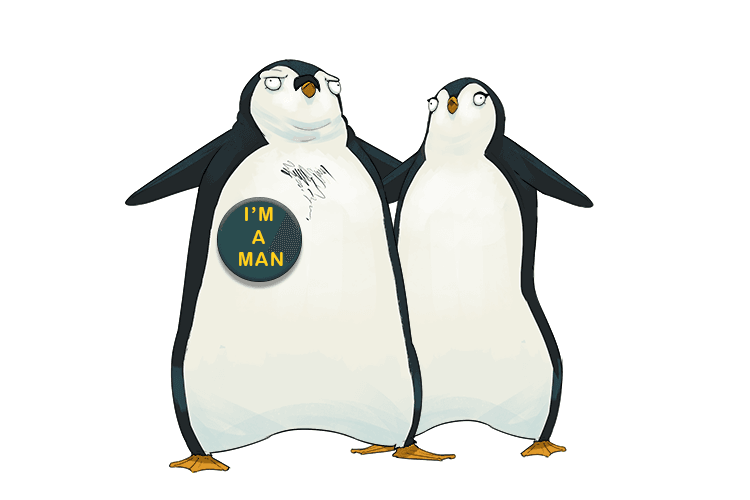
"When you durst do it, then you were a man" act 1, scene 7, line 49.
Meaning
- Lady Macbeth is telling Macbeth that when he dared to agree to kill Duncan, that was when he proved his masculinity. She implies that if he changes his mind now, he will be less of a man in her eyes.
Exam Advice
- Theme of Masculinity and Honour - The words here by Lady Macbeth shows her ambition by undermining Macbeths manhood. In the days of Shakespeare, the Jacobean era, it was considered a vital attribute.
- Manipulation - She knows exactly how to pressure Macbeth. By attacking his pride, she pushes him to commit the murder. Lady Macbeth is suggesting that only if Macbeth commits the murder of King Duncan, could he then be considered a man.
- Theme of Ambition and Moral Conflict - Macbeth feels conflicted about killing Duncan. This line shows how Lady Macbeth overcomes his doubts by questioning his courage.