climate – long-term average of weather conditions
(Pronounced klai-mit)
To remember the meaning of climate, use the following mnemonic:
The climber wore woolly mitts (climate) due to the weather.

A climate is a long-term average of weather conditions in a particular area, measured over a period of at least 30 years. It includes patterns of temperature, rainfall, humidity, wind, and sunshine that characterise a region. The climate is therefore different to just the day to day weather conditions.
In biology, climate is extremely important because it determines which organisms can survive in different parts of the world by influencing factors like water availability, growing seasons, and temperature ranges.
Examples
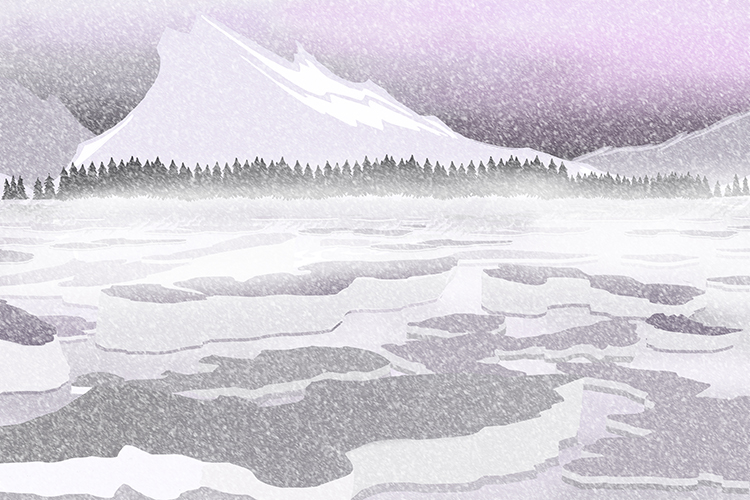
The arctic climate has long, cold winters and short, cool summers. Some areas are covered by ice all year round while virtually every part will experience freezing temperatures at some point during the year.
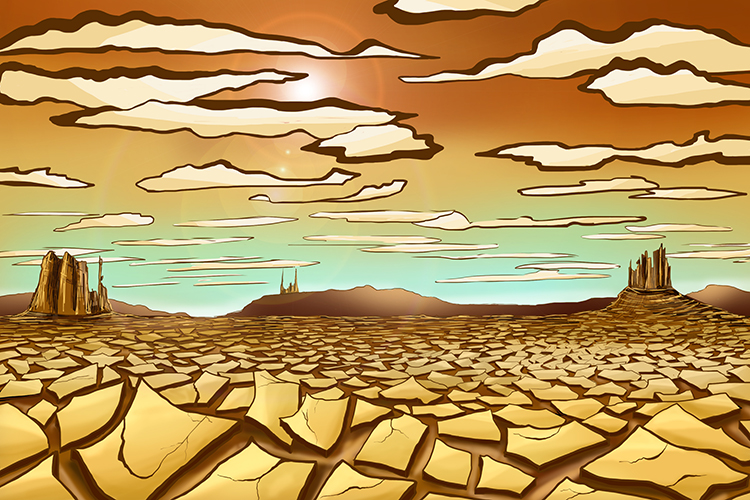
Desert climates experience very little rain/precipitation. This results in less vegetation growth in these areas, which can then expose the ground to erosion from the wind, wearing away the ground's surface. Deserts will often experience large variations in temperature between day and night. We often think of deserts as being hot but they can also be cold.