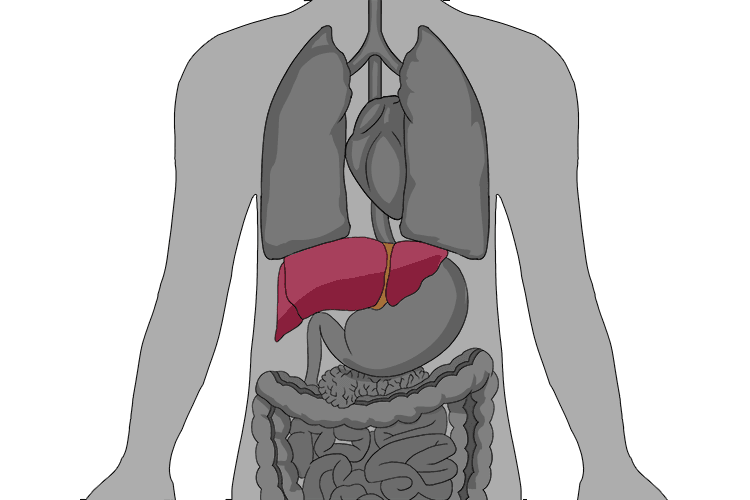
liver – large organ that filters blood and aids in digestion
(Pronounced lih-ver)
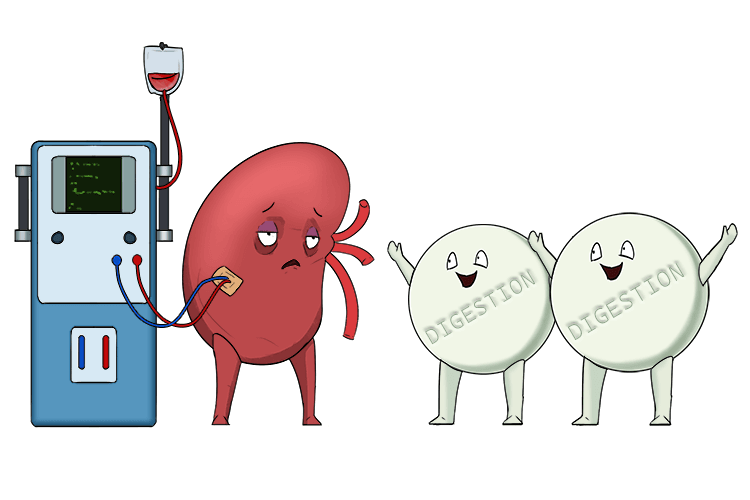
To remember the meaning of liver, use the following mnemonic:
She couldn't live her (liver) life without the machine that filters blood and her friends the digestion tablets.
The liver is the largest internal organ in the body, located in the upper right side of the abdomen beneath the diaphragm. It performs over 500 vital functions that are essential for maintaining life and health. The liver's primary roles include detoxification of harmful substances from the blood, production of bile for fat digestion, storage of glucose as glycogen for energy regulation, and synthesis of important proteins and factors. It also processes nutrients absorbed in the small intestine, breaks down old red blood cells, stores vitamins and minerals, and metabolises drugs and alcohol. The liver has a unique dual blood supply, receiving blood from the hepatic artery and nutrient rich blood from the portal vein.
One of the liver's most remarkable features is its ability to regenerate damaged tissue, making it the only organ that can restore itself after injury. The liver is absolutely essential for survival, as its failure would quickly lead to death without medical intervention.