natural selection – the process by which a species changes over generations to adapt to its surrounding: survival of the fittest
To remember the meaning of natural selection, use the following mnemonic:
In nature’s election (natural selection) the best candidate wins.
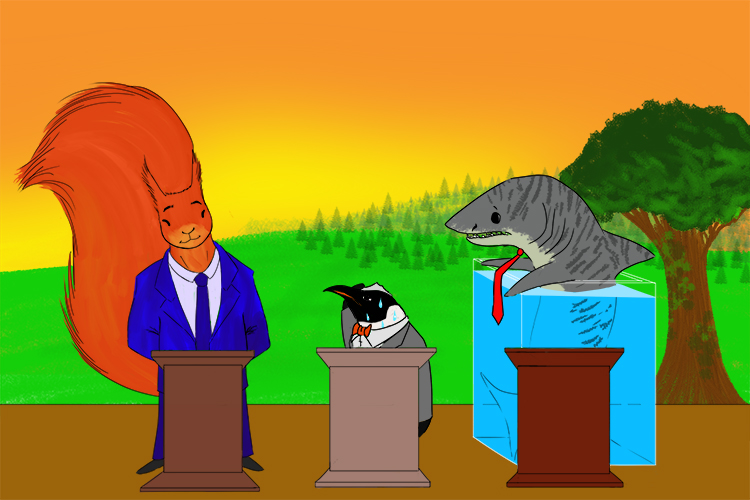
Natural selection is the process by which organisms that are better adapted to their environment are more likely to survive, reproduce, and pass on their advantageous characteristics to their offspring. It was proposed by Charles Darwin as the mechanism for evolution. The process works because within any population there is genetic variation, meaning individuals have different characteristics. Those with traits that give them an advantage in their environment - such as better camouflage, faster speed, or resistance to disease - are more likely to survive long enough to reproduce. These individuals then pass on their beneficial genes to the next generation, making these advantageous traits more common in the population over time. Meanwhile, individuals with less helpful traits are less likely to survive over many generations, this process leads to species becoming better adapted to their environment and can eventually result in the evolution of new species.
Examples
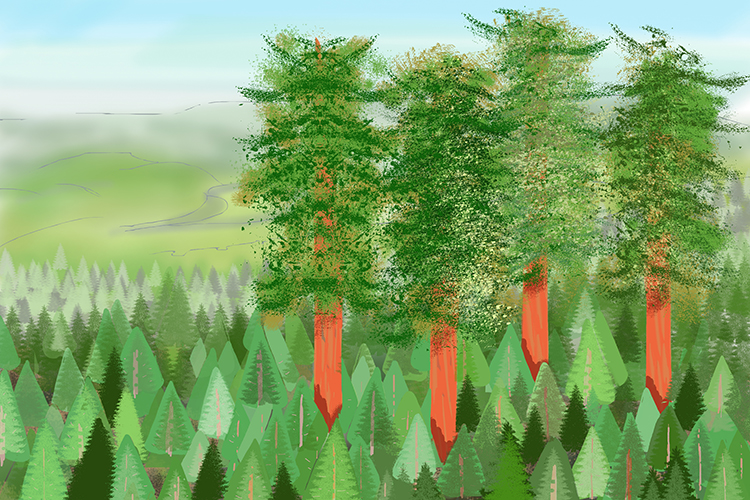
Natural selection has led to redwood trees becoming the largest in the world. Taller trees out-compete smaller ones for light and so are more likely to thrive and reproduce.
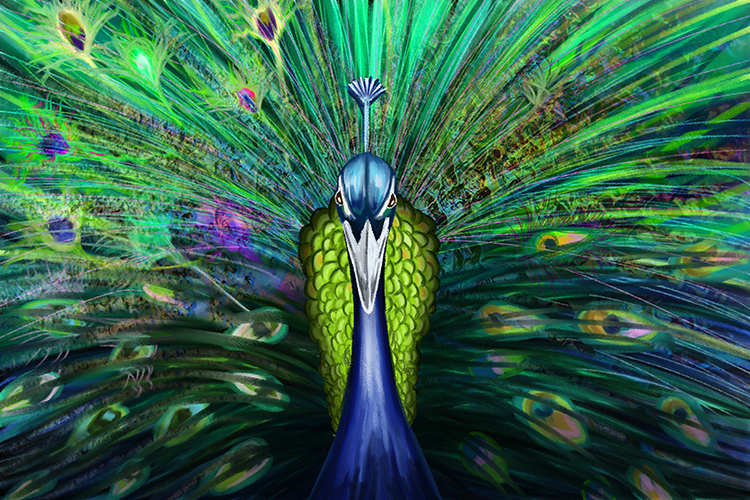
Female peacocks find males with the largest and brightest tail feathers more attractive so males with these characteristics reproduce more.
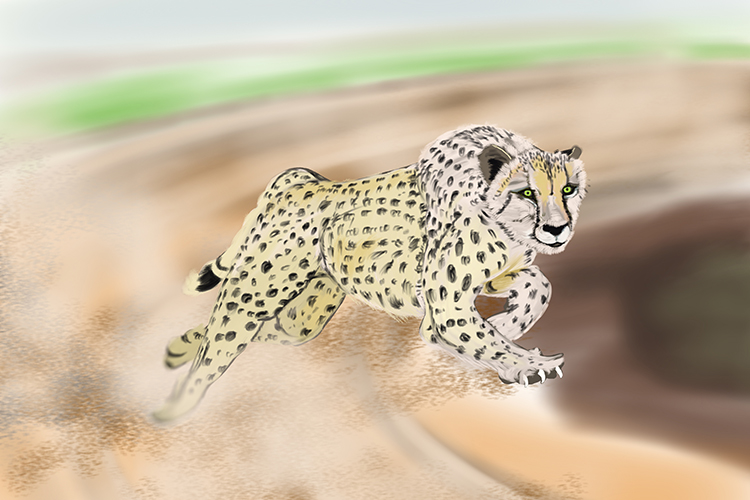
The fastest cheetahs are more likely to catch prey and hence stand a better chance of surviving and reproducing, so the traits that enable them to run fast are more likely to be passed on to subsequent generations.
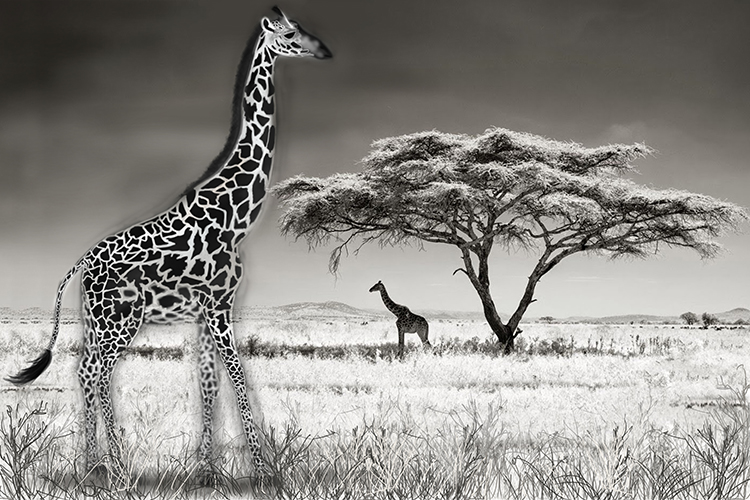
The best leaves are found at the top of acacia trees, so only giraffes with the longest necks are able to reach them. This has led to those giraffes being more successful and passing on the genes for long necks to their offspring.