niche (biology) – the unique position an organism has within an ecosystem
(Pronounced neesh)
To remember the meaning of niche (biology), use the following mnemonic:
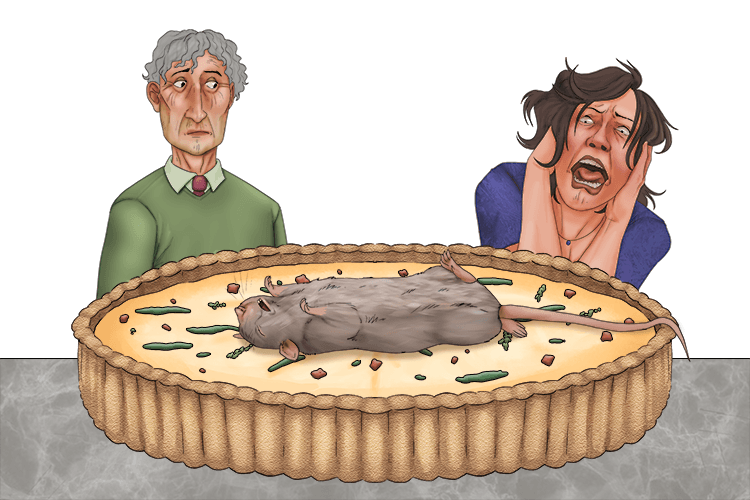
This new quiche (niche) I made was unique, with an organism positioned on top.
A niche refers to the specific role an organism plays within an ecosystem, including how it interacts with both the living and non-living components of its environment. It encompasses everything about how an organism lives, such as what it eats, where it lives, when it is active, and how it obtains resources like food, water and shelter. The niche also includes the organism's adaptations and how it affects other species around it. Each species occupies its own unique niche, which helps reduce competition between different species in the same habitat. For example, different birds in a forest might all eat insects but occupy different niches by feeding at different heights in the trees or at different times of the day, allowing them to coexist without directly competing for the same resources.
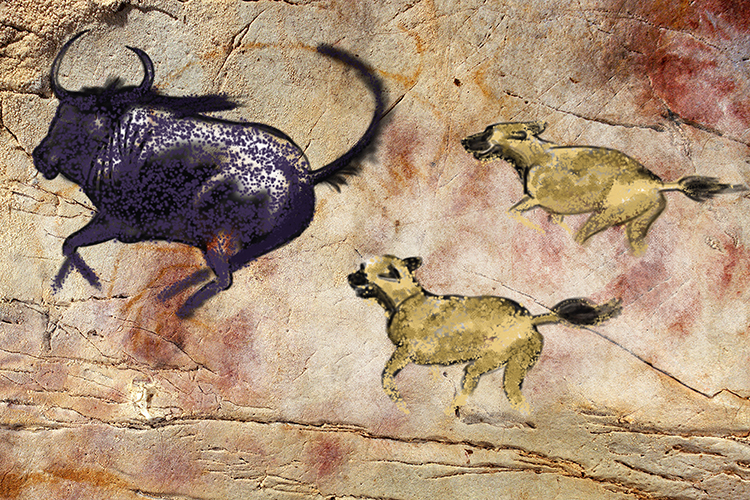
The niche occupied by African wild dogs is one of a long-distance running predator. They hunt by chasing their prey over long distances until the prey are worn down to the point they are physically exhausted and can no longer run to avoid the dogs.
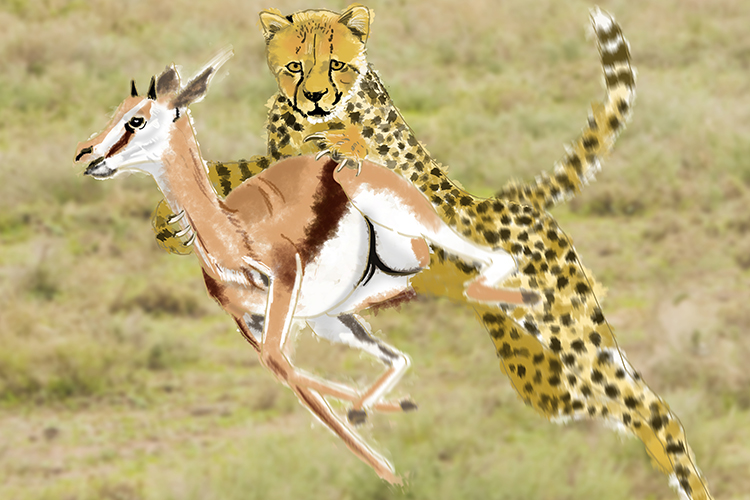
Cheetahs live in the same habitat as African wild dogs but the niche they occupy is the one of a fast sprinting predator. Cheetahs are able to run much faster than African wild dogs, but they can only sustain this speed for a few seconds before their bodies overheat and they must give up chasing their prey.