platelets – small cell fragments in blood that form clots and stop or prevent bleeding
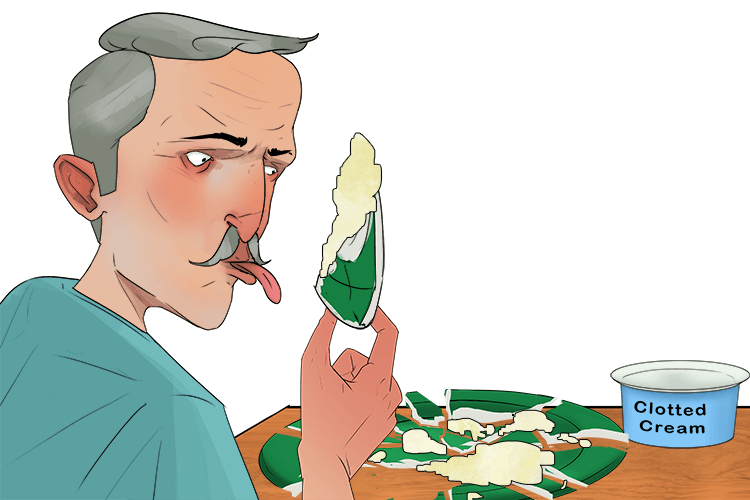
To remember the meaning of platelets, use the following mnemonic:
The plate (platelet) was in fragments but it still had clotted cream on it.
Platelets are the smallest type of blood cell and play a crucial role in stopping the flow of blood from a cut. Unlike white blood cells, platelets don't have a nucleus because they're not complete cells but rather cell fragments that have broken off from their parent cells.
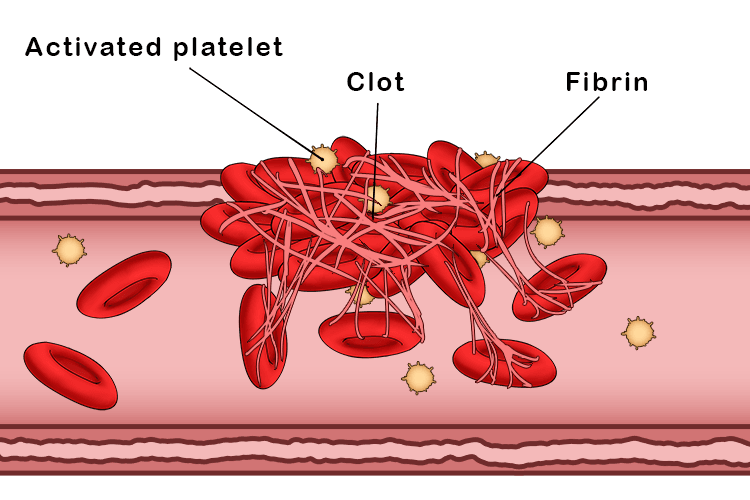
When a blood vessel is damaged, platelets are the first emergency responders to arrive at the scene. They immediately stick to the damaged area and to each other, forming what's called a platelet plug that acts as a temporary patch to stop the bleeding. Platelets also release chemical signals that attract more platelets to the area and trigger the necessary blood clotting, a complex series of chemical reactions that ultimately produces fibrin threads. These fibrin threads weave together with the platelet plug to form a strong, stable blood clot that seals the wound properly.
Your body produces around 100 billion new platelets every day to maintain a healthy amount in the blood. A low platelet count can be very dangerous, as even small cuts can result in significant blood loss.