Be innocent of knowledge, dearest chuck, till thou applaud the deed
To remember this quote use the following mnemonic.
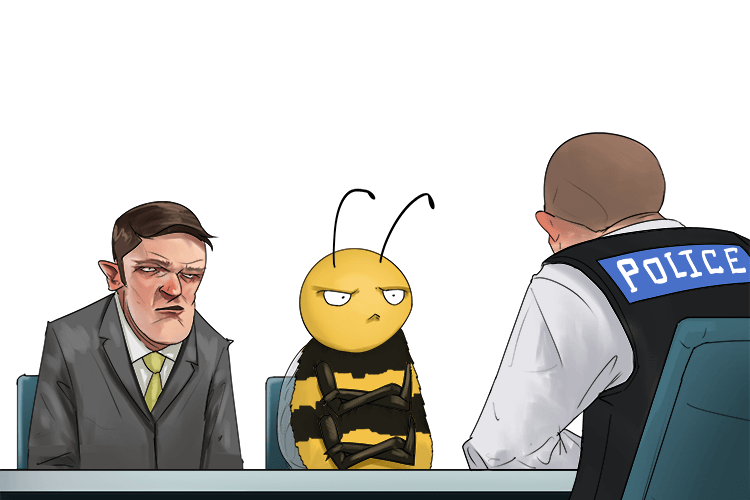
This bee is innocent of any wrongdoing, she has no knowledge of this incident.
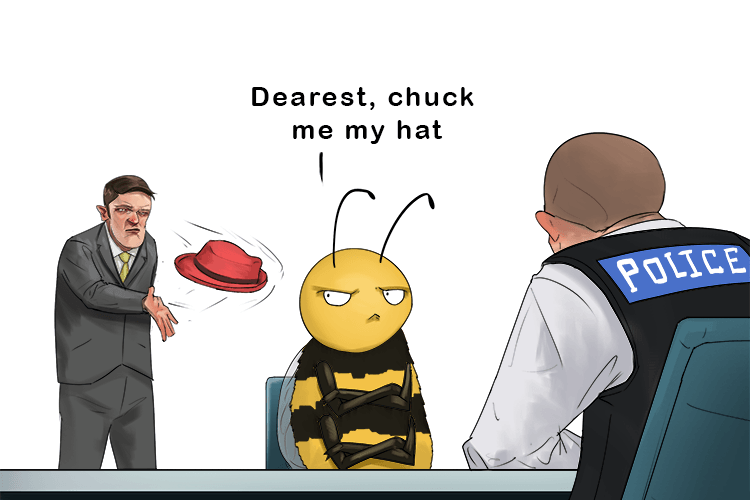
Dearest chuck me my hat I'm leaving.
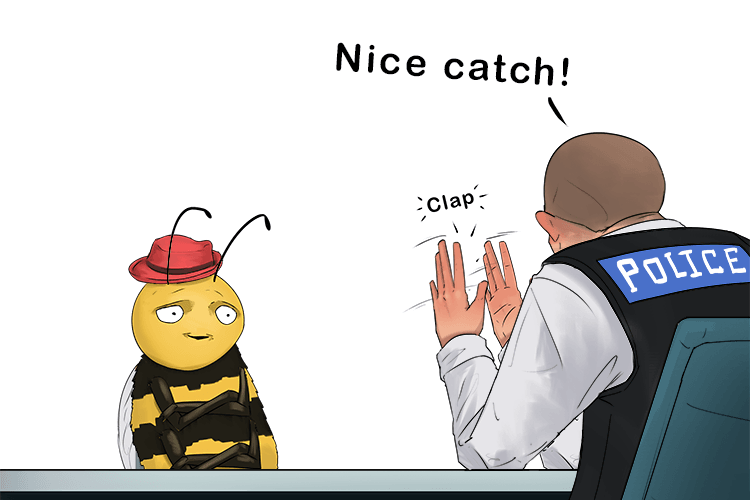
The bee caught the hat on her head and waited till you (thou) applauded the deed.
"Be innocent of knowledge, dearest chuck, till thou applaud the deed." Act 3, scene 2, line 45. Spoken by Macbeth to Lady Macbeth as he plans to have Banquo and Fleance murdered.
Meaning
- "Be innocent of knowledge, dearest chuck, till thou applaud the deed." - Macbeth is telling Lady Macbeth to stay unaware of his plans until after the murder is done, when she can then praise the outcome.
- Overall interpretation - He's keeping her in the dark, suggesting he now wants to protect her from the details - or perhaps control the situation himself.
Exam advice
- Context - Macbeth is now making murderous plans alone showing how their relationship has changed since Duncan's murder.
- Character development - Earlier, Lady Macbeth was the dominant partner, urging Macbeth to act. Now, Macbeth is taking the lead and excluding her.
- Theme of power and control - The shift in their relationship shows Macbeth becoming more independent and ruthless.
- Deception and secrecy - Macbeth is now hiding his intentions not just from others, but from his wife - reflecting the theme of appearance vs reality.
- Language note - "Dearest chuck," is a term of endearment, showing he still loves her, but this affection is now paired with secrecy and violence.