But now I am cabin'd, cribb'd, confin'd, bound in to saucy doubts and fears.
To remember this quote use the following mnemonic.
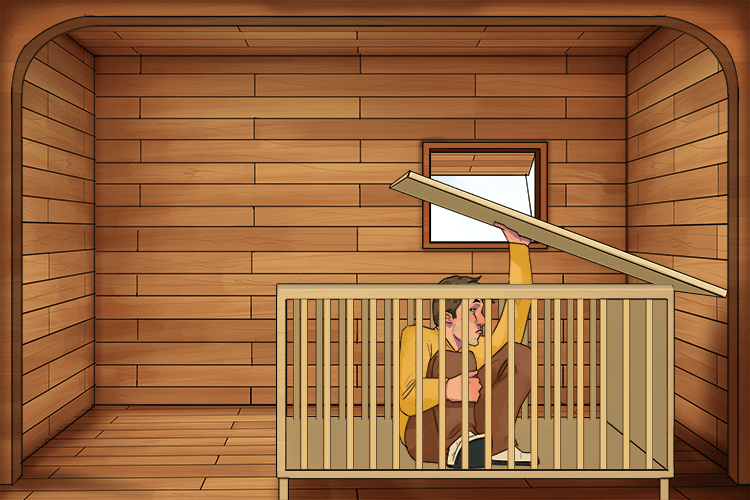
But now I am in my wood cabin

and then I climb into the crib.
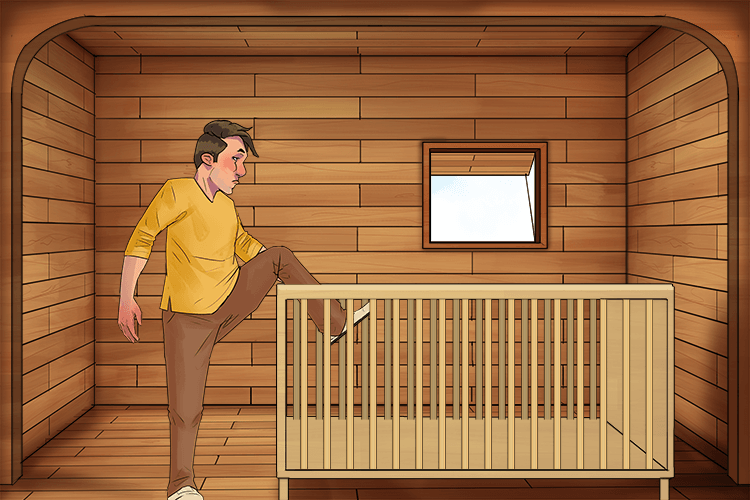
I drag a lid on and now I'm confined.
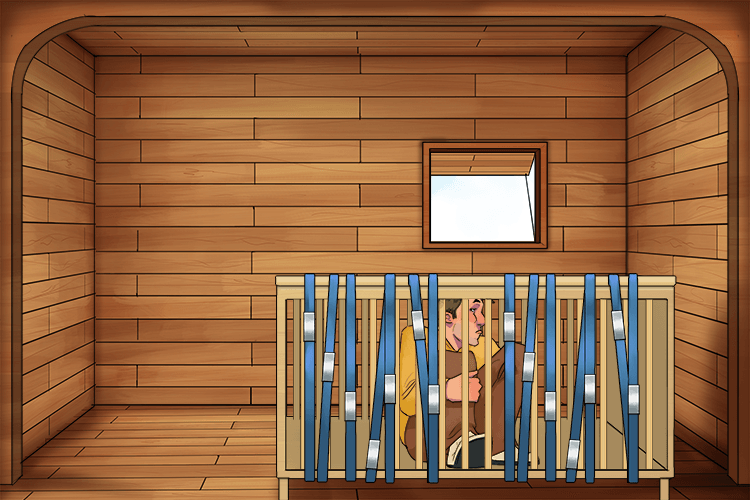
It's then bound.
Then someone pours sauce over it.
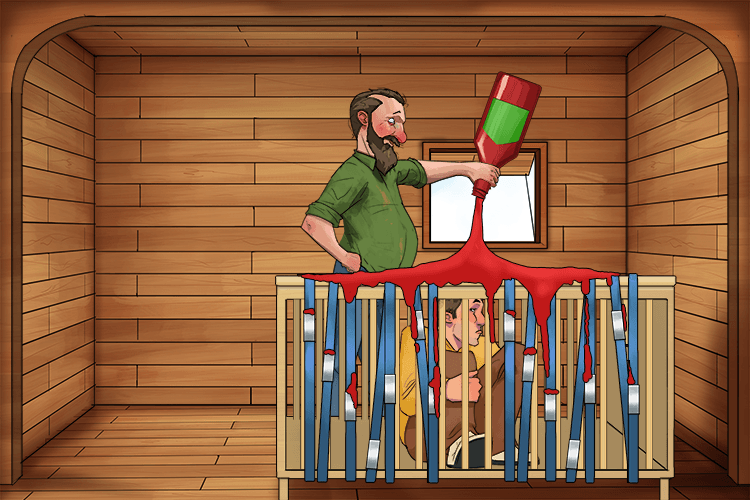
Will I get out? I doubt it. I fear it will be permanent.
"But now I am cabin'd, cribb'd, confin'd, bound in to saucy doubts and fears." Is in act 3, scene 4, line 24. This is spoken by Macbeth after he hears that Banquo has been murdered - but Fleance has escaped.
Meaning
- "cabin'd, cribb'd,confin'd" - Macbeth feels trapped and restricted. These three similar words emphasize how enclosed and powerless he feels.
- "Bound in to saucy doubts and fears." - He is imprisoned by bold, disturbing thoughts and anxieties. "Saucy" here means intrusive or impertinent.
- Overall interpretation - Macbeth thought killing Banquo would end his fears, but because Fleance escaped, he still feels unsafe. His paranoia is growing.
Exam advice
- Context - Macbeth has just committed another murder to ensure his power, but his plan is incomplete.
- Language and structure - The triplet ("cabin'd, cribb'd, confin'd") creates a feeling of claustrophobia and mental pressure.
- Theme of fear and paranoia - Macbeth's power has not brought peace. Instead, he's increasingly paranoid and emotionally imprisoned.
- Character development - Macbeth is no longer hesitating; he's actively committing violent acts - but fear still dominates him.
- Symbolism - The language of imprisonment reflects how Macbeth is trapped by the consequences of his own ambition.