Double, double toil and trouble, fire burn, and cauldron bubble.
To remember this quote use the following mnemonic.
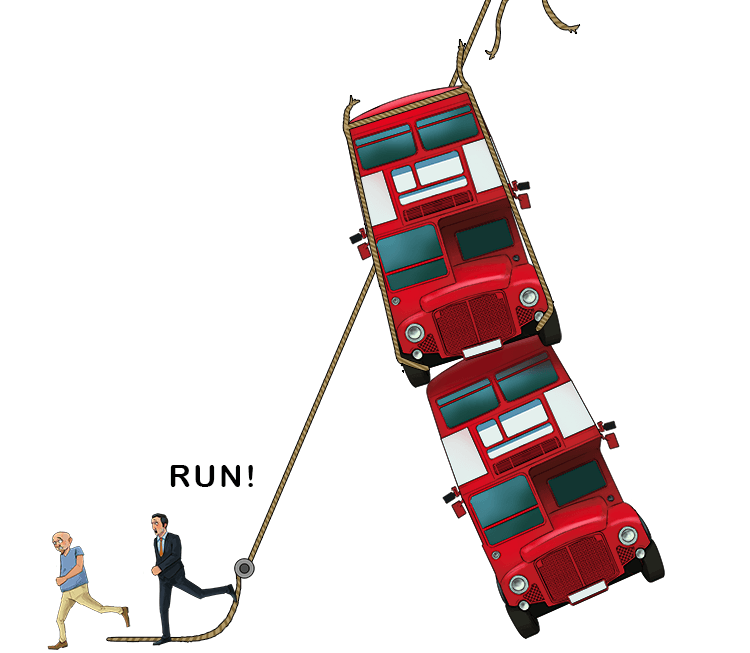
A double decker bus, on a double decker bus.
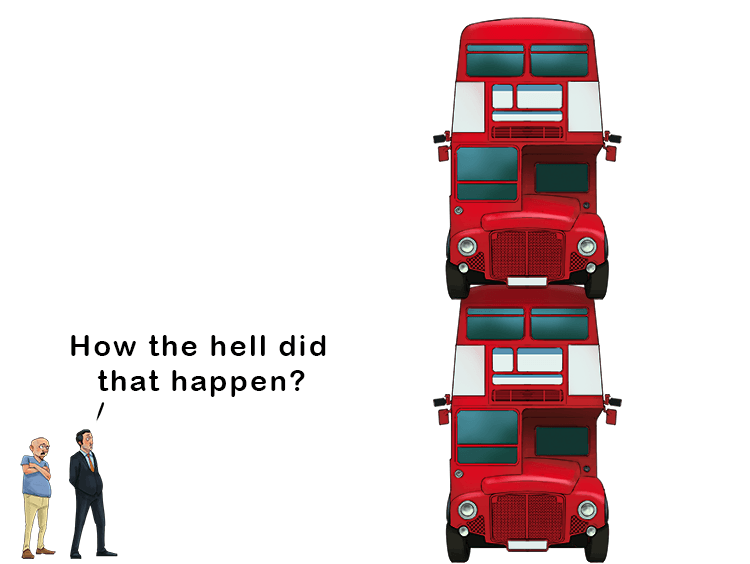
To get the top bus off they had to toil.
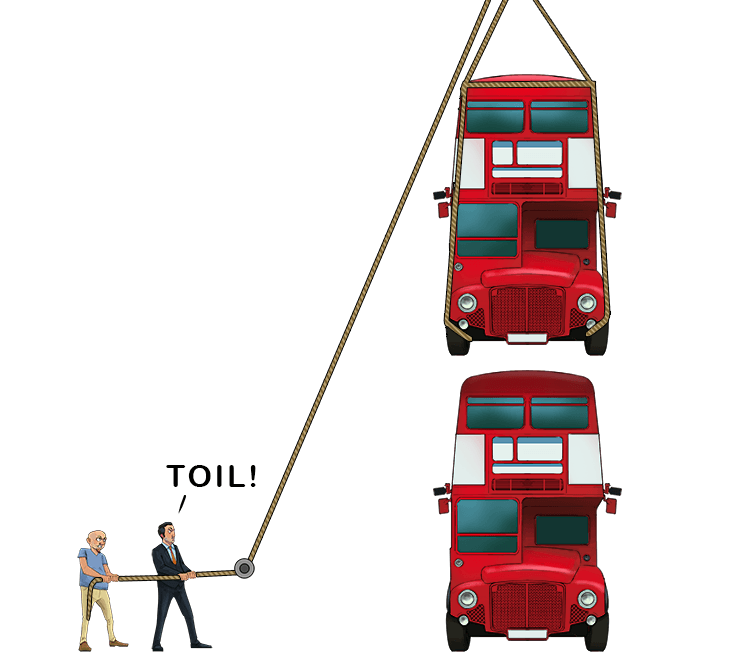
But then they got in real trouble.
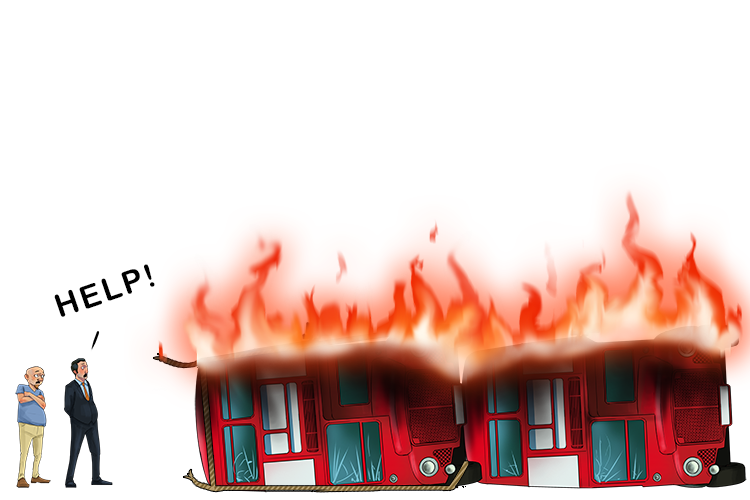
Then a fire started to burn with massive flames.
Then a giant came along and threw a cauldron of bubbles and foam over it.
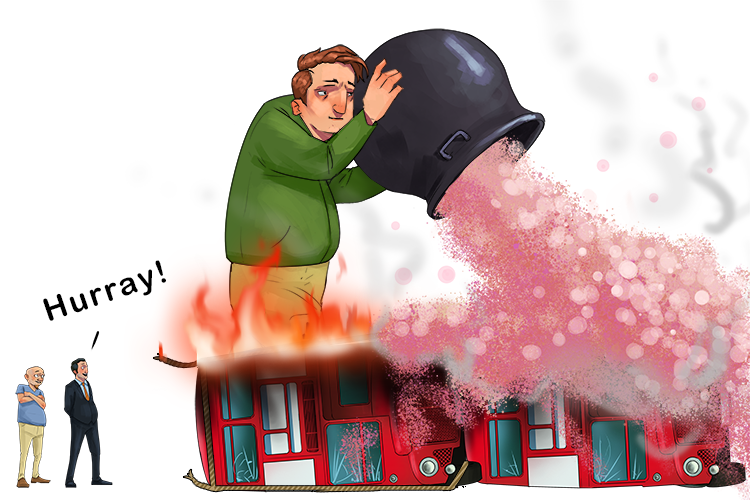
"Double, double toil and trouble, fire burn, and cauldron bubble." The chorus of all three witches in act 4, scene 1, line 20.
Meaning
- "double, double toil and trouble" - The witches are casting a spell, suggesting that their magic will cause twice the amount of hardship and chaos.
- "fire burn and cauldron bubble" - They are brewing a potion, symbolizing the supernatural forces at work in the play.
- Overall interpretation - The witches are creating a powerful, ominous spell that will influence Macbeth. Their chant reinforces the theme of dark magic and foreshadows the further destruction that their influence will bring.
Exam Advice
- Context - This scene occurs just before Macbeth visits the witches to seek more prophecies. Their spell prepares for the misleading visions that will push Macbeth into tyranny.
- Theme of supernatural influence - The witches' magic symbolizes the forces of fate and deception in the play.
- Rhythm and structure - This quote abandons iambic pentameter and makes the witches different by speaking in rhyming couplets and the use of alliteration. The use of chant-like rhyming couplets makes the spell sound hypnotic and eerie.
- Foreshadowing - Their spell will lead to Macbeth's downfall, as the new prophecies make him over confident.
- Dramatic impact - The witches' presence heightens the tension and reinforces their role as agents of chaos.