Fair is foul and foul is fair
To remember this quote use the following mnemonic.
A fair lady (blond)
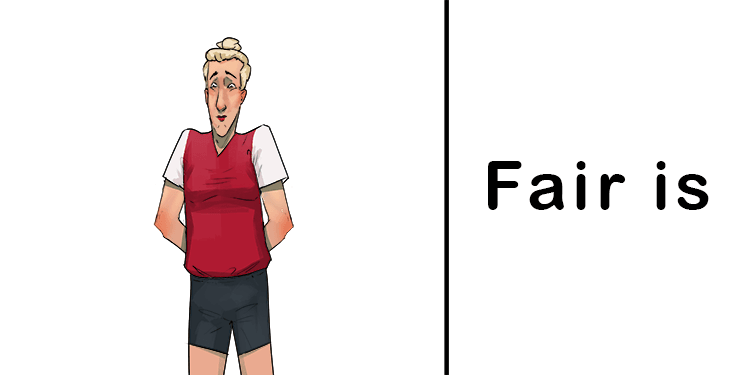
Is fouled
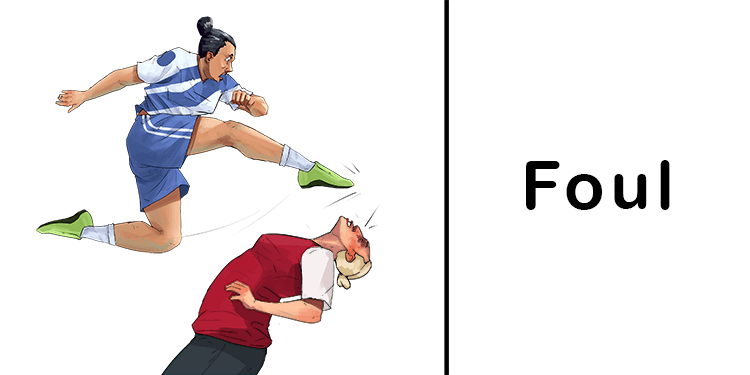
That's a foul says the referee
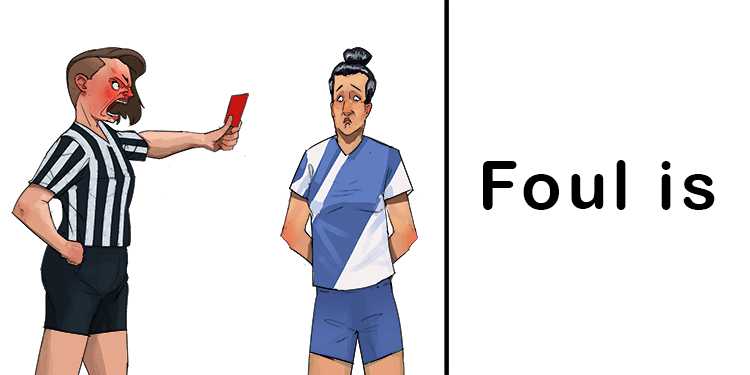
Sent off is only fair
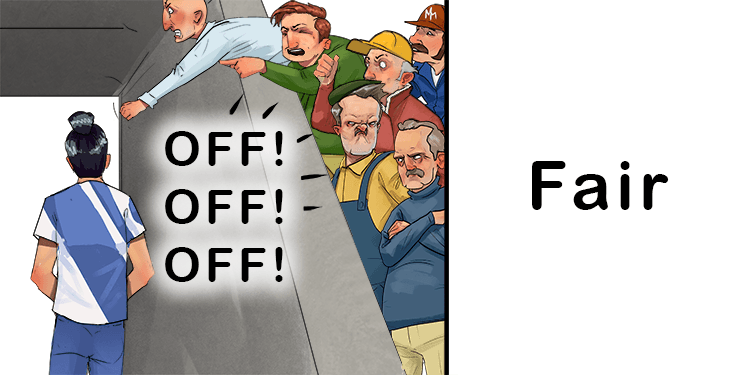
"Fair is foul and foul is fair," is a particularly well known Shakespeare quote said by the three witches at the end of act 1 scene 1.
Meaning
- "Fair is foul and foul is fair" - The witches are saying that in this world things that seem good ("fair") are actually bad ("foul") and things that seem bad might actually be good. It's a statement about the reversal of moral order and it warns the audience that appearances will be misleading throughout the play.
Exam advice
- Interpretation - This line suggests that reality is distorted in the world of Macbeth. Characters will be deceived, morality will be inverted and what seems trustworthy or noble may be corrupt.
- Language Paradox - The phrase contains contradictory ideas showing the confusion between appearance and reality.
- Language Chiasmus - The mirrored structure of the line (A-B/B-A) reinforces the idea of reversal and disorder.
- Language repetition of harsh "f" sounds - This alliteration creates a witch-like, rhythmic quality that sets an eerie, unnatural tone.
- Themes of appearance vs reality - A key theme in the play. Characters like Macbeth and Lady Macbeth hide their true intentions behind false appearances
- Themes of supernatural - Spoken by the witches, the line reflects their ability to manipulate and obscure the truth.
- Themes of moral confusion - Introduces the breakdown of traditional values - what was once clearly right or wrong is now blurred.
- Character and plot development - The line foreshadows how Macbeth, who seems noble and loyal at the start, will become treacherous and murderous. It also hints that characters the audience trusts might have hidden motives.