speak then to me, who neither fear nor beg your favours or your hate
To remember this quote use the following mnemonic.
Speak to me

But he ran away in fear

I caught up with him and he begged for forgiveness

Please do this favour and forgive me
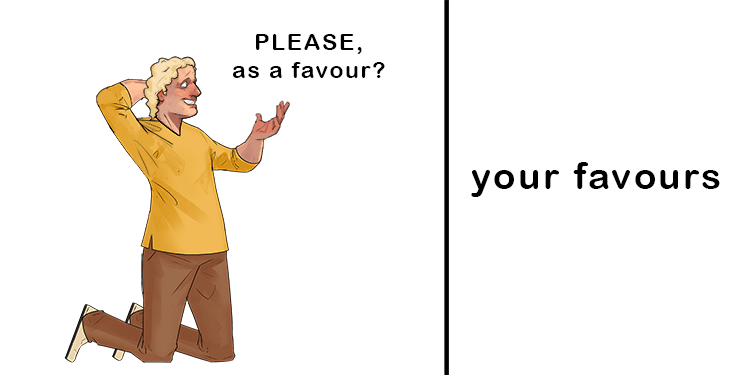
I said no. He said he hated me

Banquo challenges the witches. He says if they really can predict the future they should, "Speak then to me, who neither fear nor beg your favours or your hate." Act 1, scene 3, line 64.
Meaning
It means that Banquo is addressing the witches, saying that he is not afraid of them ("neither fear") and does not seek their favour or approval ("nor your favours"), nor does he fear their hatred ("or your hate"). Essentially, Banquo is presenting himself as calm and confident, implying that he is not easily swayed or intimidated by the witches' power or intentions. This contrasts with Macbeths more eager and fearful reaction to the witches prophecies.
Exam advice
- Theme of Banquo as a foil to Macbeth - Banquo's calm and sceptical attitude highlights the difference between him and Macbeth. While Macbeth is tempted by ambition, Banquo remains level headed and cautious.
- Theme of suspicion of the supernatural - Banquo's refusal to "beg" shows he doesn't trust the witches and he won't let them control or influence him.
- Theme of moral integrity - Banquo's words suggest he is morally strong. He won't be manipulated or lured by power which is why he becomes a threat to Macbeth later in the play.