physiological disease – condition caused by a malfunction of the body
Note: Physiological diseases occur when body parts no longer work.
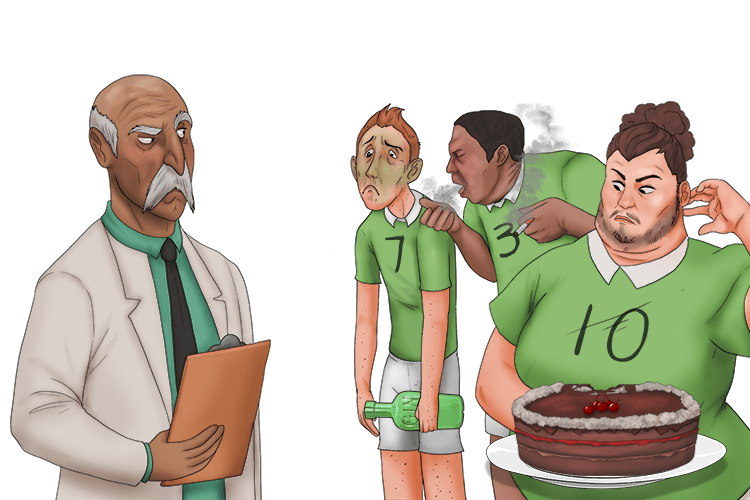
To remember the meaning of physiological disease, use the following mnemonic:
The physio had got a logical (physiological) explanation why the players had body parts not working.
A physiological disease is a type of disease caused by the malfunction of organs or organ systems within the body, rather than being caused by pathogens like bacteria or viruses. These diseases occur when normal body processes don't work properly, often due to factors such as genetic defects, poor diet, lifestyle choices, or the natural aging process. Examples include conditions like diabetes, where the body cannot properly regulate blood sugar levels, or cardiovascular disease, where the heart and blood vessels don't function efficiently. Physiological diseases are sometimes called non-communicable diseases because they cannot be passed from person to person, unlike infection diseases. Understanding physiological diseases is essential, because they highlight the body's systems which can fail and the importance of maintaining a healthy lifestyle to prevent or manage these conditions.