fission – a nuclear reaction in which the nucleus of an atom splits into two or more smaller nuclei
(pronounced fis-shn)
To remember the meaning of fission, use the following mnemonic:
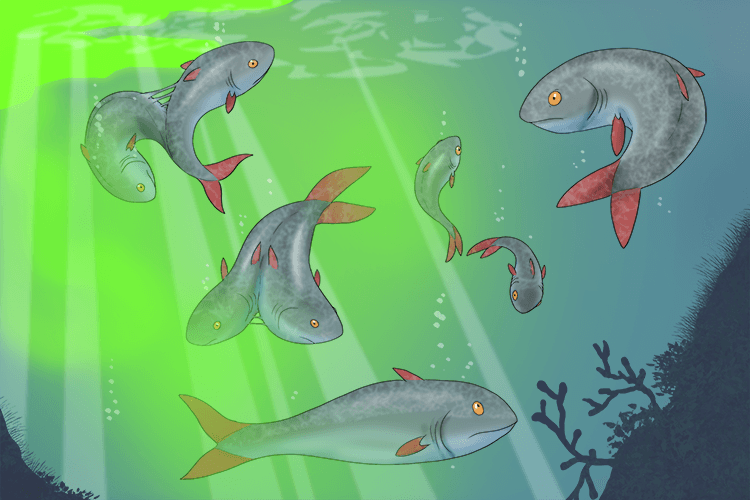
The fish in (fission) the pond by the nuclear waste, each split into two smaller fish.
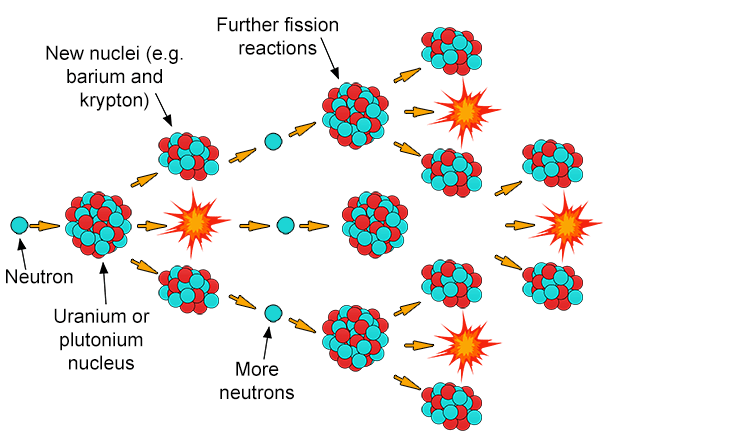
Nuclear fission is the process where a large, unstable nucleus splits into two smaller nuclei, releasing a large amount of energy. This typically occurs when a neutron collides with the nucleus of a heavy atom such as uranium-235 or plutonium-239, causing it to become unstable and break apart. When the nucleus splits, it forms two smaller 'daughter' nuclei and two or three additional neutrons, which releases heat in the form of heat and radiation. The neutrons released can then go on to collide with other nuclei, causing them to split as well, which creates a chain reaction where the process continues rapidly.
Nuclear fission is extremely useful because it releases millions of times more energy per kilogram than burning fossil fuels, which is why it is carried out under controlled conditions within nuclear power stations. However, it also produces radioactive waste that remains hazardous for thousands of years and must be stored safely.
Fission is the opposite of fusion, where atomic nuclei join together.